How JIKA Engineering and Skilling Innovation Center is going to boost Science and Technology in Uganda

Science and technology, the order of the day in Uganda, as president Yoweri Kaguta Museveni and Minister Monica Musenero observed that this is one of the policies that will help Ugandans to startup their own businesses and answer the questions of unemployment in the country.
Last week President Museveni while launching the Science and Technology Week at Kololo emphasized that the Ministry of Science, Technology and Innovations must bring on board the private sector so that they can contribute an additional venture capital to the science sector and promised to inject in 500 billions as seed capital.
These days, many young people are unemployed blaming the government for not caring, while some of them can actually acquire skills and start their own businesses as well as employ others.
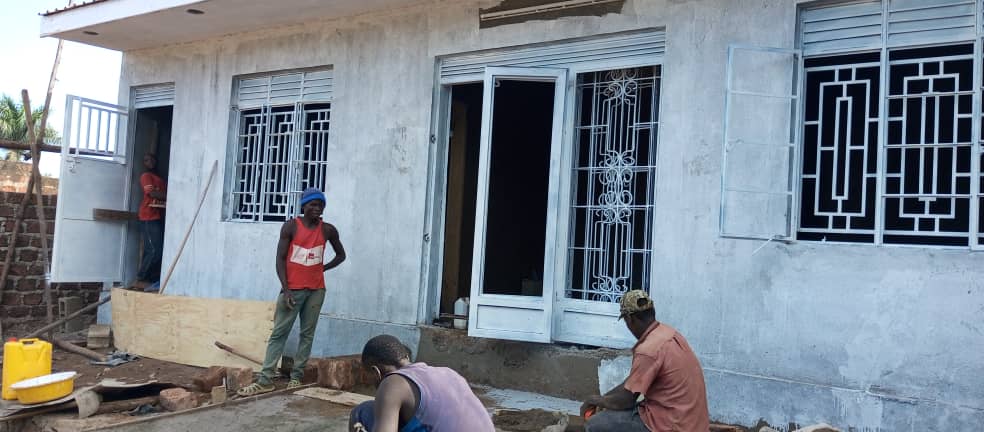
Jimmy Kandole, a technology innovator, has set up the JIKA Engineering and Skilling Innovation Center in Mukono Municipality trying to answer unemployment question in youth.
The venture is located in Gulu Ward, Mukono Central Division near Wantoni stage on Jinja Road highway.
Mr Kandole, the Chairman and Director of JIKA Engineering and Skilling Centre said in an exclusive interview with this news website, that his team have been skilling youth without a permanent home until they decided to acquire a place in Mukono where youth are going to be impacted with innovation skills in engineering works and technology.
“We make greenhouses for agriculture for small and large scale equipment, welding machines, plumbing and others.
We have also managed to melt iron ore and manufacture machine parts for cars, brake drums for TATA vehicles and Drone cars.
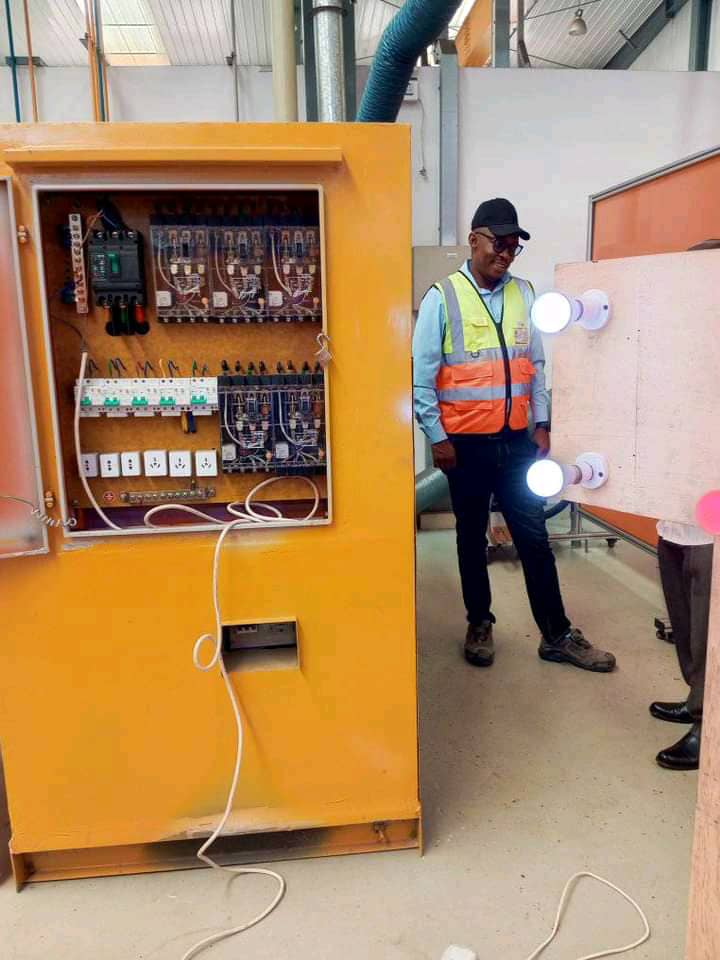
“We also have over 450 youths around the country in different companies who are fully trained and now they can start up their own businesses” Mr Kandole said.
He added that they are looking forward to helping university students do their internship with hands on works which will help them boosting their skills in innovation.
Skilling those who have not gone to school is also our priority and many are successful in their endeavors all over the Country.
I have a feeling that Mukono will be blessed with this facility, If I have the support of the Government and other organizations, it will not take me a month to finish the working area and classrooms because we have ample man power of skilled young people” Kandole added.

“We still need other technical machines for designing the works to improve on the engineering sector and the boundary wall is still one of our main problems” he emphasized.
JIKA calls up on youth from different Districts in Uganda to come and gain skills in various fields, in order to eradicate unemployment in the country.
President Yoweri Kaguta Museveni last week warned public officials against taxing innovations, saying that culprits will be dealt with, according to the law.
What's your reaction?
You may also like

More in:Business

Personal care is not a gender issue. It is a matter of health, hygiene and self-confidence

AAYC, NIMD Explore Strategic Partnership to Advance Youth Leadership, Democracy and Peacebuilding

PRESIDENT MUSEVENI URGES SHEEMA FARMERS TO EMBRACE IRRIGATION, COMMERCIAL AGRICULTURE TO FIGHT POVERTY

PRESIDENT MUSEVENI URGES EUROPEAN INVESTORS TO TAP INTO UGANDA’S ECONOMIC OPPORTUNITIES