US-Iran War: How it affects families in Uganda
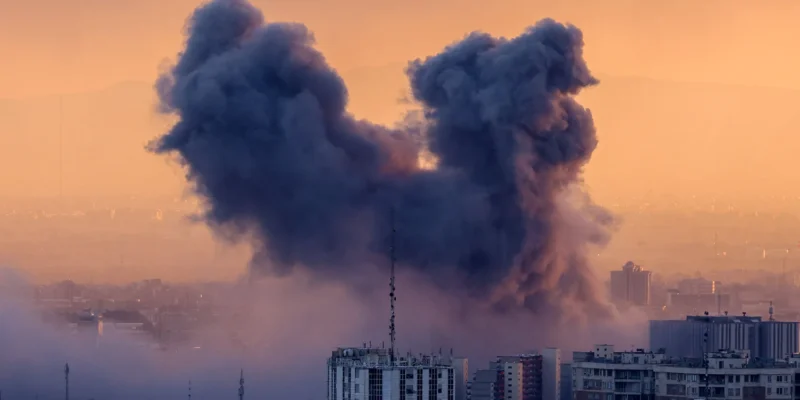
KAMPALA, Uganda: Far from the battlefields of the Middle East, Ugandan families are feeling the distant war’s painful ripples at home most acutely through the safety of their children studying abroad and the mounting pressures threatening school fees, meals, and daily stability.
The most heartfelt scenes unfolded yesterday at Entebbe International Airport, where 43 young Ugandans, many in their late teens and twenties stepped off an Ethiopian Airlines flight, exhausted but alive. These students, primarily from Ahlul Bayt International University in Tehran had been pursuing degrees in fields like international relations and Islamic studies when explosions turned their campus into a war zone.
Sharon Twiine, 29, described the terror: “We were in class when the bombings started. It wasn’t something on the news anymore, it was right there, shaking the buildings. We grabbed what we could and ran.” The group endured a harrowing 24-hour bus journey across Iran to the Turkish border, organized by the Ugandan embassy, before transiting through Istanbul. Parents and relatives waited anxiously at the arrivals hall, tears flowing as sons and daughters embraced them after weeks of sleepless worry.
State Minister for Children and Youth Affairs Balaam Barugahara welcomed the returnees on behalf of the government, praising diplomatic efforts that secured transit visas and safe passage. He confirmed ongoing work to bring home a second group of 53 students still at Qom University. “Our young people are back where they belong,” Barugahara said.
For many parents, the reunion was a miracle amid constant fear: daily calls to check if their child was safe, prayers through the night, and the agony of not knowing if classes would ever resume. But the crisis extends beyond those directly evacuated.
For thousands of Ugandan families with children in school whether in Kampala, rural districts, or relying on remittances, the war’s economic fallout is quietly eroding their ability to keep education on track. The closure of Iranian airspace and escalation involving the US, Israel, and Iran has severed key flight routes, including the vital Entebbe-Dubai corridor. Uganda Airlines, Emirates, and Flydubai have suspended services, stranding migrant workers (Nkuba Kyeyo) in the Gulf whose monthly remittances pay school fees, buy uniforms, and cover medical bills for siblings back home.
One mother in Wakiso, whose son attends a private secondary school, shared: “My husband sends money from Dubai every month. Now flights are grounded, and now people in the middle East are always in bankers. How do I explain to my boy that his school might not wait?”
Even more immediate is the surge in global oil prices, driven by threats to the Strait of Hormuz. Crude has climbed toward $100 per barrel, pushing pump prices upward in Kampala stations. When Transport fares for taxis and boda-bodas increases daily commute to school will be costlier for urban families.
What's your reaction?
You may also like


More in:Education

Utalii Polytechnic Institute Opens 2025 Applications, Pushes for Skills Revolution in Uganda

Kabale University Hits Record Student Enrollment of 5,450 in a Single Academic Year

Akademik IT Launches Innovative Student Mentoring Pilot to Empower Uganda’s Youth

Canadian based Ugandan rapper Lanie Banks attends the Canon Andrew Nyote Memorial Service in Mbale