You’re on Your Own If You Can’t Trace the Seller: UNBS Urges Vigilance Against Risky Street Products

MUKONO, Uganda: Consumers in Uganda particularly those who frequently buy from street vendors, must exercise greater personal responsibility to avoid substandard and potentially harmful products, Daniel Arorwa, Manager of Market Surveillance at the Uganda National Bureau of Standards (UNBS) has warned. Speaking at a media training workshop on standards and metrology at Ridar Hotel in Mukono on Monday 2nd, Arorwa highlighted the dangers posed by unlabeled, locally produced goods that often fail to meet minimum safety and quality standards.
The training, organized by UNBS with support from TradeMark Africa and UKAID, was part of a nationwide initiative to equip journalists with the knowledge needed for accurate and impactful reporting on quality assurance, consumer protection and metrology (weights and measures). The training focuses on bridging the gap between regulators and the media to promote awareness of standards related issues amid Uganda’s push for industrial growth and export competitiveness.
Arorwa addressed a key challenge in Uganda’s informal markets: the common practice of purchasing goods from street vendors. Many of these products; often locally produced foods, beverages, household items, or personal care goods, are sold without proper labeling. This makes it nearly impossible for buyers to identify the producer, manufacturer, or supplier.
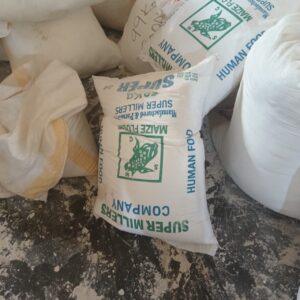
Super millers is a common name belonging to no one in particular. So when you get any problem with it, we cannot trace the source. Daniel warned. (Photo/UNBS)
“If you buy something and can’t trace the person who sold it to you, then you are on your own in case of a problem,” Arorwa warned.
He urged Ugandans to “learn to be responsible about their lives and stop taking substandard products,” emphasizing that traceability is essential for seeking redress, reporting issues, or holding sellers accountable when products cause health risks, such as food poisoning, allergic reactions, or other harms from non-compliant items. Unlabeled or poorly labeled goods frequently bypass minimum standards for hygiene, composition, or safety, leading to widespread consumer exposure to substandard products in informal trade channels.
Arorwa’s remarks underscore UNBS’s ongoing efforts to enforce compliance and remove such items from the market through surveillance and stakeholder engagements.
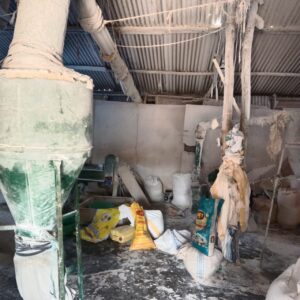
Daniel advised that Every Miller is required to maintain good hygiene, get certified by UNBS with a distinct brand name for traceability. (Photo/UNBS)
Turning to importers and formal businesses, Arorwa advised proactive steps to avoid costly pitfalls associated with importing. “Test your goods before you import them and get a Certificate of Conformity (COC). This will save you the cost associated with testing, including time waste and money paid in demurrage. “A Certificate of Conformity, part of UNBS’s Pre-Export Verification of Conformity (PVoC) requirements, confirms that imported products meet Ugandan standards prior to shipment. Failing to obtain one often results in goods being detained at entry points for mandatory testing, incurring storage fees (demurrage), delays, and potential rejection or destruction.
What's your reaction?
You may also like



More in:Business

Dr. Musinguzi Highlights on how Uganda’s tourism industry supports wildlife conservation to the International Tourism Stakeholders
Street Vendor Rights: Clash Intensifies as Uganda’s Cities Clear Streets Without Clear Legal Protections for Informal Traders

Uganda Marks World Wildlife Day Amid Alarm Over Vanishing Medicinal Species