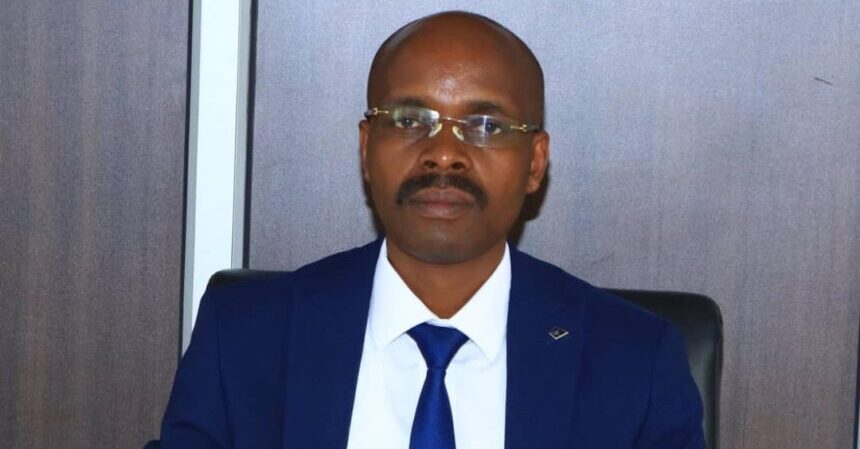
 By Albinious Twesigomwe.
Road traffic accidents remain one of Uganda’s greatest public safety challenges, claiming thousands of lives each year and leaving many more with permanent disabilities. The economic consequences are equally devastating, with billions of shillings lost annually through medical expenses, property damage, lost productivity, insurance claims, and the destruction of valuable national assets. Despite continuous efforts by the Government of Uganda through the Ministry of Works and Transport, the Uganda Police Force, and other stakeholders to improve road safety, accidents involving passenger vehicles continue to occur at an alarming rate.
Most road crashes in Uganda are preventable. “Excessive speeding, reckless overtaking, distracted driving, driver fatigue, overloading, poor adherence to traffic regulations, and inadequate monitoring” of commercial passenger vehicles continue to be the leading causes of fatalities on our roads. While traffic police have made commendable efforts through roadside inspections and enforcement operations, it is practically impossible to monitor every passenger vehicle throughout its entire journey.
Uganda now has an opportunity to embrace modern technology to transform road safety by introducing Intelligent Vehicle Monitoring Systems (IVMS) integrated with Internet Protocol (IP) camera technology in all passenger service vehicles. These technologies have already demonstrated their effectiveness in improving road safety, enhancing fleet management, and reducing accidents in many parts of the world.
An Intelligent Vehicle Monitoring System is a sophisticated electronic platform that continuously monitors both the vehicle and the driver’s behaviour in real time. Through GPS tracking, onboard sensors, and intelligent software, the system records “vehicle speed, route compliance, harsh braking, sudden acceleration, dangerous cornering, engine performance, driving hours, and driver fatigue”. Whenever unsafe behaviour is detected, automatic alerts can be transmitted instantly to fleet managers and regulatory authorities, allowing corrective action before an accident occurs.
Complementing the IVMS is a network of Internet Protocol (IP) cameras strategically installed throughout the vehicle. Cameras should monitor the driver, the road ahead, the passenger compartment, the vehicle entrance, and the rear view. Continuous recording not only promotes driver discipline but also provides objective digital evidence in the event of accidents, passenger complaints, criminal incidents, or insurance disputes. Such evidence strengthens investigations and promotes transparency and accountability across the public transport sector.
The integration of IVMS and IP cameras would fundamentally change Uganda’s approach to road safety by shifting from reactive enforcement to proactive prevention. Instead of waiting until a crash occurs, authorities and transport operators would be able to detect dangerous driving behaviour in real time and intervene before lives are lost. A driver who consistently exceeds speed limits, drives aggressively, or shows signs of fatigue could be identified immediately, enabling prompt corrective measures.
To maximize the effectiveness of this technology, Uganda should establish a National Passenger Transport Monitoring Centre operating twenty-four hours a day under the coordination of the Ministry of Works and Transport in collaboration with the Uganda Police Force and other relevant agencies. This centre would receive live information from passenger vehicles across the country, monitor compliance with road safety regulations, coordinate emergency response during accidents, support investigations with digital evidence, and generate valuable data for transport planning and policy development.
The success of this initiative, however, depends on a clear and enforceable legal framework. The Government of Uganda, through the Ministry of Works and Transport, should make the installation of Intelligent Vehicle Monitoring Systems and IP camera technology a mandatory licensing requirement for every passenger service vehicle operating within Uganda. This requirement should apply to buses, taxis and school buses, and all other commercial passenger transport vehicles.
The responsibility for purchasing, installing, operating, and maintaining these systems should rest with the owners and operators of the vehicles. Just as vehicle owners are legally required to obtain insurance, maintain roadworthy vehicles, and comply with licensing requirements, investment in intelligent safety technology should become part of the minimum standards for operating a passenger transport business. Protecting passengers is a fundamental responsibility of every transport operator, and the cost of implementing these systems should be regarded as an essential investment in safety rather than an optional expense.
To ensure consistency and reliability, the Ministry of Works and Transport would develop national technical standards governing approved IVMS and IP camera equipment, certify qualified suppliers and installers, and establish inspection procedures to verify compliance before issuing or renewing operating licences. Operators who fail to install or maintain the prescribed systems should then face appropriate administrative penalties, including suspension or revocation of their operating permits.
Implementation may be undertaken in phases to allow adequate preparation by transport operators.
The benefits of adopting this technology extend far beyond reducing accidents. Continuous monitoring would significantly improve driver discipline like driving while talking on phone, discourage speeding and reckless driving, reduce insurance fraud, strengthen accident investigations, improve emergency response, enhance passenger security, support crime prevention, and improve the overall management of commercial transport fleets. Reliable transport data would also enable government agencies to make informed policy decisions and allocate road safety resources more effectively.
Although the initial investment required by vehicle owners may appear substantial, the long-term benefits far outweigh the costs. Every prevented accident represents lives saved, families protected, healthcare costs reduced, businesses preserved, and national productivity maintained. The financial burden associated with road crashes, extensive damages to road furniture/infrastructure is considerably greater than the cost of installing preventive technology.
Uganda has already demonstrated its commitment to digital transformation through innovations in tax administration, financial services, national identification, and electronic traffic enforcement. Extending this technological progress to passenger transport is both timely and necessary. The introduction of mandatory IVMS and IP camera systems would place Uganda among the leading African nations using intelligent transport technologies to improve public safety.
Road safety is a shared responsibility involving government, transport operators, drivers, passengers, insurers, and technology providers. However, lasting change requires decisive leadership.
By making Intelligent Vehicle Monitoring Systems and IP cameras compulsory for all passenger vehicles, the Government of Uganda will not only strengthen enforcement but also create a culture of accountability, professionalism, and preventive safety throughout the transport sector.
The time has come for Uganda to move beyond responding to road tragedies after they occur. Modern technology offers the tools to predict risks, monitor compliance, and prevent accidents before lives are lost. The Ministry of Works and Transport should seize this opportunity by introducing regulations that make IVMS and IP camera technology mandatory for all passenger vehicles at the owners’ cost. Such a bold policy would save lives, reduce the economic burden of road traffic accidents, improve public confidence in passenger transport, and contribute significantly to Uganda’s journey towards a safer, smarter, and more efficient transport system.
The Writer is a Risk Reduction Specialist and Political Commentator.
T- +256 772098594
What's your reaction?
You may also like


More in:Analysis
Firm Leadership Is Not Dictatorship
Minister Musasizi Welcomes Standard Bank Commitment to Finance Uganda’s Tenfold Growth Strategy
Building a Disaster-Resilient Uganda: Why the Next Rainy Season Must Mark a Shift from “Emergency Response to Risk Reduction”.
Beyond Mourning: A Policy Agenda for Ending Uganda’s Road Carnage.