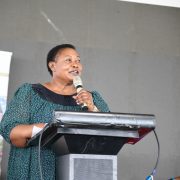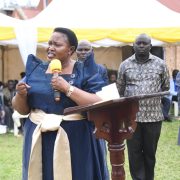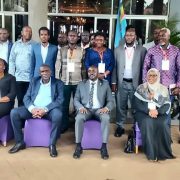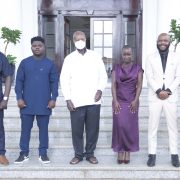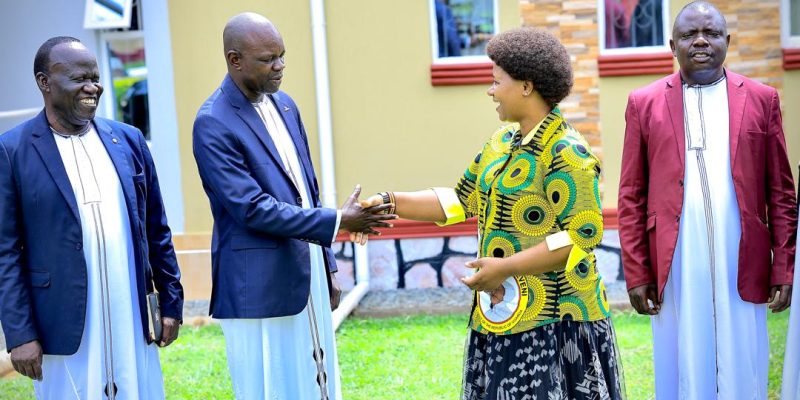
In a strategic push to unlock the economic potential of Uganda’s rural heartlands, the National Treasurer of the National Resistance Movement (NRM) held high-level talks over the weekend with officials of the Obwene’engo Bwa Bugwe Kingdom, culminating in a firm commitment to transform coffee and cocoa farming into engines of household prosperity.
The meeting, convened in the kingdom and led on the traditional side by Hatuhiro Arafat, focused on practical ways to raise productivity, improve quality, and secure better markets for the two cash crops that form the backbone of many local livelihoods.
Both sides agreed to intensify grassroots mobilisation and sensitisation campaigns that will equip farmers with modern, climate-smart agronomic practices for coffee and cocoa.
The goal is clear: higher yields, better-quality beans, and significantly increased incomes for growers.
Crucially, the parties also resolved to forge stronger operational alliances with the Operation Wealth Creation (OWC) programme under the leadership of Gen. Salim Saleh. The collaboration is expected to unlock sustained technical support, planting materials, extension services, and market linkages that go beyond one-off interventions.
Kingdom officials emphasised that the partnership marks a deliberate shift from sporadic support to structured, long-term investment in the agricultural value chain. “We are not merely planting trees; we are planting prosperity,” one senior kingdom representative noted during the discussions, underscoring the dual focus on knowledge transfer and institutional coordination.
For the NRM, the engagement aligns with broader national efforts to commercialise agriculture and reduce poverty through targeted wealth-creation programmes.
Coffee remains Uganda’s leading export crop, while cocoa is rapidly gaining ground as a high-value alternative in suitable agro-ecological zones.
Officials believe that combining traditional leadership structures with state-backed initiatives such as OWC can accelerate adoption of best practices and ensure that gains reach ordinary farmers rather than remaining at the elite level.
The weekend meeting concluded with a roadmap for joint follow-up activities, including community sensitisation drives, farmer field schools, and coordinated planning sessions with OWC technical teams. Both sides expressed optimism that the alliance will deliver measurable improvements in productivity and household incomes across the Obwene’engo Bwa Bugwe Kingdom in the coming seasons.
As Uganda continues to position agriculture as a cornerstone of economic transformation, partnerships of this nature—linking political mobilisation, traditional authority, and specialised wealth-creation machinery—are increasingly viewed as essential vehicles for translating policy into tangible results on the ground.
What's your reaction?
You may also like
More in:Business
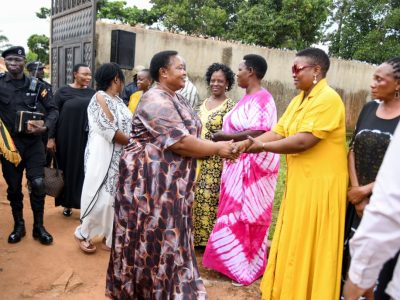
Minister Babalanda Calls for Unity and Solidarity Among Busoga Leaders at Olivia Kwagala Memorial Service
PRESIDENT MUSEVENI CHALLENGES AFRICAN CONTENT CREATORS TO CHAMPION FIVE HISTORICAL MISSIONS FOR AFRICA’S TRANSFORMATION

Huawei Launches 2026–2027 ICT Competition in Uganda to Nurture the Next Generation of Tech Innovators
POLICY ANALYSTS TASKED ON PROFESSIONALISM, INTEGRITY