Evictions Deepen Poverty as Uganda Clears Streets Without Alternatives for Informal Traders
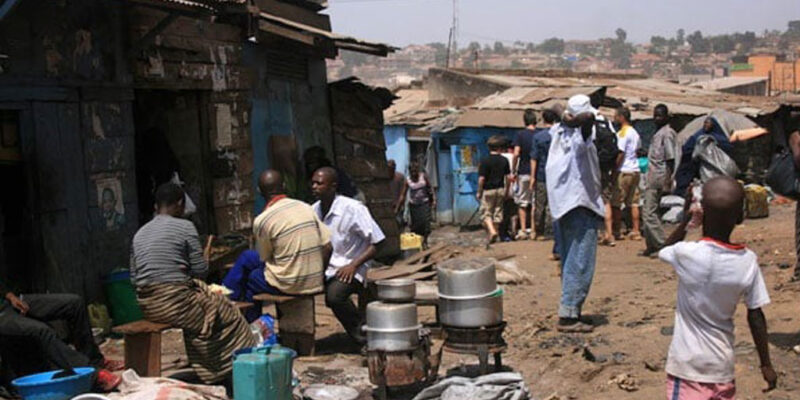
Kampala/Mbale/Jinja, Uganda: The wave of street vendor evictions sweeping Uganda’s cities is not just about reclaiming public spaces; it’s stripping away livelihoods for thousands in the informal economy, pushing families deeper into poverty amid a glaring lack of supportive laws or viable relocation options.
In Kampala, where the crackdown began in mid-February, vendors who once sold fruits, clothes, and snacks along busy walkways now face daily uncertainty. Many return despite risks, as designated markets like Usafi remain overcrowded or inaccessible. One vendor near the Old Taxi Park told reporters: “We have nowhere else to go. The markets are full, and we can’t afford the fees.”
Reports from NTV Uganda show persistent returns to cleared areas, with vendors appealing for designated zones rather than outright bans. In Mbale City, the operation launched March 2 after a short ultimatum has drawn tears and protests. Fruit vendor Ayub Wambede, operating behind Republic Street, described the impact: “This move could derail my financial progress.”
Traders accused authorities of failing to engage them beforehand, with emotions running high as graders demolished makeshift stalls. Vendors in Mbale have highlighted heavy losses, family hardships, and no clear path forward, echoing complaints of insufficient dialogue and alternatives.
Jinja City’s March 2 notice gives vendors until March 15 to voluntarily relocate or face forceful removal from March 16, targeting illegal kiosks and structures. While the council urges cooperation to avoid “deepening urban poverty,” affected traders fear the same cycle seen elsewhere: eviction without sustainable options, leading to renewed hardship.
Street vending forms a critical lifeline in Uganda’s informal sector, which employs over 80% of the labor force. For many especially women, youth, and the urban poor it provides flexible, low-barrier income in a job market with limited formal opportunities.
High rents, rigid tenancy, and lack of jobs drive people to the streets, as outgoing Kampala Lord Mayor Erias Lukwago noted: evicting without addressing these “economic forces” worsens hardship for low-income traders.
Critics, including lawmakers and former officials like Ruth Kijjambu (ex-Kampala clerk), argue the approach ignores social needs: “It’s not about removing people from the streets, but about addressing their economic and social needs.”
The absence of enabling laws leaves vendors vulnerable without licenses, zones, or protections, they face repeated displacement, confiscated goods, and lost dignity. Authorities insist evictions prevent congestion, crime, and unfair competition, pointing to gazetted markets as alternatives. Yet vendors report these spaces are often inadequate, distant, or costly, fueling resistance and partial reversals (as seen in Kampala and Hoima).
As enforcement intensifies from Kampala’s ongoing patrols to Mbale’s demolitions and Jinja’s looming deadline the human cost mounts: families struggle with reduced income, children face school fee shortfalls, and poverty deepens in already vulnerable households. Without reforms to recognize informal vending’s role through regulation, affordable spaces, or inclusion, the cycle of eviction and return risks persisting, leaving thousands in limbo. Can urban order be restored without sacrificing the livelihoods that sustain so many Ugandans?
What's your reaction?
You may also like


More in:Editorial

Can President Museveni let his son be the Next “King Solomon”?

“Corruption and Abuse of Power: Mbale City Land Committee Accused of Land Grabbing and Dispossessing Innocent Owners”

Bamasaba Requests H.E President Museveni To Give Another Chance To Hon. Irene Muloni

President Museveni Applauds The First Lady For Her Endurance Despite His Absenteeism During The Struggle Period