The Great Nationwide Street Vendor Exodus: A Masterclass in Urban Sanity
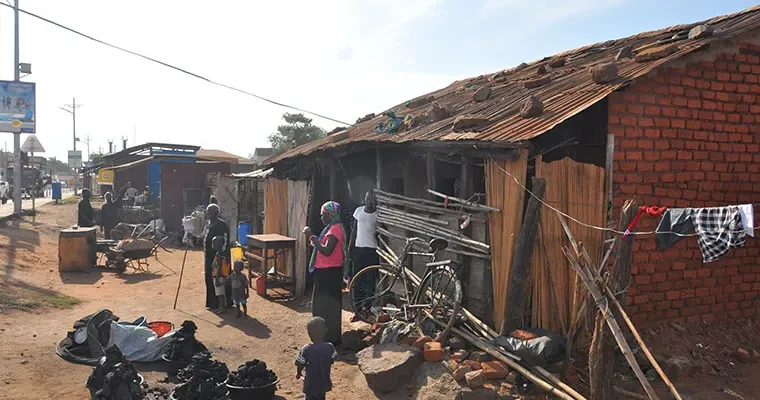
In a dazzling display of coordinated brilliance that would make even the most efficient dictatorship blush, Uganda’s cities have launched what can only be described as the Great Vendor Relocation Miracle of 2026. Kampala started the party in February with KCCA’s heroic sweep, and now the rest of the country is eagerly joining in like it’s the hottest new TikTok challenge: #EvictAndDecongest.
Picture this: Kampala’s streets, once a chaotic symphony of roasted maize, second-hand shoes, and entrepreneurial spirit, now gleam with the rare luxury of empty pavement. As one delighted formal trader (and KACITA spokesperson) Issa Sekito famously declared, “A city without street vendors is a sign of sanity.” Indeed! Who needs affordable snacks on every corner when you can have wide, empty sidewalks perfect for… well, walking really fast to the next arcade where rent is only three times your monthly profit?
The Ministry of Trade, never one to be outdone in poetic clarity, has helpfully reminded everyone that street vending simply “has not provided for” in the law. Translation: If the Trade Licensing Act doesn’t mention you, you’re not invited to the economy. Hawkers? Sure, as long as you’re mobile and stay within a “certain distance” from a trading centre; like, say, outside Kampala at a safe 500 kilometers. Stationary vendors? Sorry, that’s basically squatting on public property with extra tomatoes.
The wave has spread faster than gossip in a village baraza. Mbale brought in graders for dramatic effect, turning makeshift stalls into modern art installations titled “Temporary Urban Renewal.” Jinja’s City Clerk issued a polite March 2 notice: “Kindly remove your illegal existence by March 15, or we’ll do it for you starting March 16 at your own cost and peril, of course. Cooperation prevents deepening poverty!” Touching.
Meanwhile, vendors, those stubborn engines of the informal economy that employ more Ugandans than all government jobs combined, politely decline to vanish. Many have already staged triumphant comebacks in Kampala, proving that gravity and human need are stronger than any ministerial directive. In Hoima, they returned the very next day like boomerangs with attitude. Mbale vendors protested; Jinja’s are probably printing “I Survived the March 15 Deadline” T-shirts as we speak. The beauty of it all? This isn’t cruelty, it’s tough love. By clearing the streets, we’re preventing “urban poverty, social misery, higher crime rates,” as Jinja’s notice so kindly warns. Because nothing reduces poverty like confiscating someone’s entire stock of mangoes and sending them home empty-handed. Genius!
So here’s to Uganda’s 2026 Urban Sanity Revolution: where walkways are wide, air is fresh, and livelihoods are neatly relocated to… somewhere over there. Or perhaps to the next city that hasn’t joined the fun yet. One day, when the streets are spotless and vendors have mysteriously found affordable arcades in Bugerere, we’ll look back and say: “We did it. We made the city sane.” Until the vendors return tomorrow, of course. Because in Uganda, even sanity has a short attention span.
What's your reaction?
You may also like


More in:The Dreamer's Mouth Off

Full Figure’s Latest Drama: From Presidential Advisor to Hospital Bed, But Who’s Surprised?

Gen. Muhoozi has a “Powerful Weapon” Which Scared EU Diplomats

Black Eid: Is Shark Mumpenje trying to silence Critics?

Zaake Vs. Akol: The battle of the chair that left Zaake a little ‘Punched’