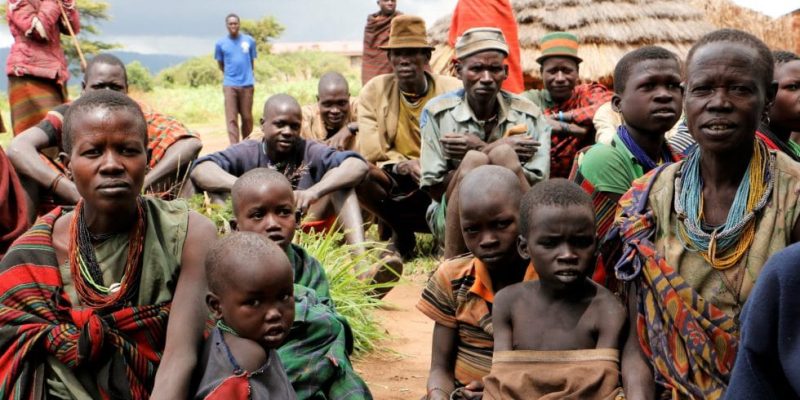
A child walks across the dusty plains of Karamoja with an empty sack slung over one shoulder. It is not a school bag. It is a reminder of another day spent searching for food instead of chasing dreams.
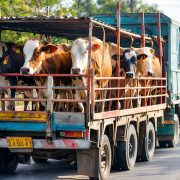
That image captures a painful reality unfolding across Uganda’s north-eastern frontier. Beyond the statistics, beyond the policy meetings in Kampala, and beyond BRINGING emergency food trucks heading north, there are thousands of young people whose childhoods are being quietly reshaped by hunger, climate change and years of uncertainty.
Karamoja has always been a land of resilience. For generations, communities in Moroto, Kaabong, Kotido and neighbouring districts have learned to live with unpredictable weather, relying on livestock, strong family bonds and traditional knowledge to survive. But resilience has its limits.7
This year, the rains simply never came.
Fields that should have been green with sorghum and maize turned brown long before harvest. Families watched crops wither under an unforgiving sun, knowing every failed season pushes them closer to desperation. Food stores have emptied, livestock have become harder to sustain, and many households are now making impossible choices about who eats and who waits for tomorrow.
Reports indicate that around 600,000 people are facing acute food shortages, while more than 120,000 young children are at risk of severe malnutrition. The recent reports of lives lost to hunger are not just tragic headlines. They are a painful reminder that behind every number is a family, a community and a future interrupted.
For young people, the crisis stretches far beyond an empty plate.
A hungry child struggles to concentrate in class. A teenager forced to search for food is less likely to stay in school. Young men without opportunities become more vulnerable to cattle raids, crime and conflict. Young women often shoulder greater household responsibilities, sacrificing their education and ambitions to help families survive.
In Karamoja, hunger is not only stealing lives—it is stealing potential.
When an entire generation grows up believing survival is the only goal, the region loses future teachers, nurses, engineers, entrepreneurs and leaders. Uganda loses talent that could have transformed not only Karamoja but the nation itself.
Government intervention has therefore come at a critical moment. Supported by the UGX 45 billion emergency relief fund, food assistance is being delivered to affected communities through an expedited distribution system involving the National Enterprise Corporation and the Uganda Prisons Service.
By bypassing lengthy procurement procedures, authorities hope relief reaches vulnerable families before conditions deteriorate further.
These efforts deserve recognition because emergency assistance saves lives.
But food relief, important as it is, cannot become Karamoja’s annual story.
Every dry season should not automatically trigger another humanitarian operation. Every generation should not inherit the same cycle of crisis.
The real challenge lies beyond the emergency response.
Karamoja’s young people need reasons to believe that their future can be different from their parents’ past. That future begins with reliable water systems that allow farming throughout the year instead of depending entirely on seasonal rainfall. It means expanding irrigation, promoting drought-resistant crops, improving livestock management and equipping young farmers with modern agricultural skills.
It also means investing in roads, markets and transport links that connect Karamoja to the rest of Uganda, allowing young entrepreneurs to sell their products, attract investment and create jobs closer to home. Education, vocational training and digital opportunities must become part of the conversation, ensuring young people are not left behind as the country modernises.
Peace remains equally essential.
Over the years, insecurity has disrupted livelihoods, displaced families and discouraged investment. Lasting peace gives young people something priceless: confidence that they can build businesses, attend school, raise families and dream without fear.
Karamoja has never lacked determined people. What it has lacked for too long is sustained investment that matches the determination of its communities.
The young people growing up in the region today should not be remembered as the generation that survived drought after drought. They should be remembered as the generation that transformed Karamoja into a place where resilience was strengthened by opportunity rather than tested by hardship.
Emergency food will ease today’s suffering. But hope cannot be delivered in sacks of maize and beans alone.
Hope grows where there is clean water, quality education, secure communities, productive farms, thriving businesses and meaningful opportunities for young people to shape their own future.
Karamoja’s journey towards lasting development will undoubtedly be long. Yet if Uganda remains committed—not only during times of crisis but through consistent investment and inclusive development—that journey can lead to something far greater than survival.
It can lead to a generation of young people who no longer see themselves as victims of circumstance, but as the architects of Karamoja’s next chapter.
What's your reaction?
You may also like

More in:NEWS
From 5.2 to 8.6 litres: How NAGRC is unlocking the Ankole’s milk potential
Minister Musasizi to MPs: Broaden Tax Base, Don’t Just Tax Same People More to Reach 20% Revenue Target

dfcu Deepens Dialogue with Ndeeba Entrepreneurs Through Kyusa Level SME Dine-Out
Minister Musasizi Urgues Parliament to Back Domestic Revenue Drive for Economic Development