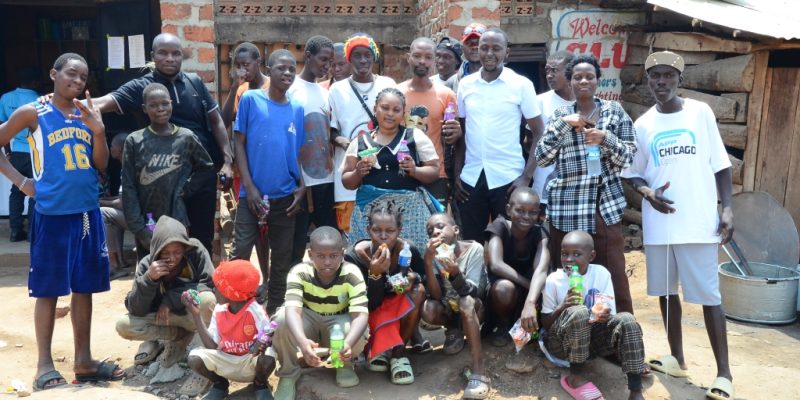
Dozens of boys living on the streets of Mukono and in Benghazi Ghetto have been given a rare chance at basic education through a new partnership between Mvulana Foundation Uganda and Literacy Aid Uganda.
The initiative, which kicked off with more than 30 boys, aims to equip them with foundational literacy skills that can improve their daily lives and open doors to formal schooling.
The classes target boys who have been surviving on the streets, many of whom fled their families at a very young age. Organisers say the programme is designed as a first step before the children can join regular schools. Diphas Kiguli, the Board Vice Chairperson for Literacy Aid Uganda explained the thinking behind the project.
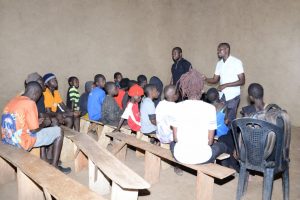
“We’re intending to offer less privileged boys the opportunity to get the basic knowledge before joining the formal education, so that they can learn how to read and write,” Kiguli said further, noting that classes will be conducted every week for at least two hour.
Eric Yiga, Executive Director, Mvulana Foundation Uganda , said many of the boys have grown up in disadvantaged communities thus calling the initiative timely.
“Such boys have been missing such knowledge since some of them fled their families at a tender age,” Yiga said.
He further urged the participants to take full advantage of the opportunity. “Utilise this chance so that you can learn how to read and write and also avoid being framed in some crimes.”
The programme began in the Benghazi Ghetto and on the streets of Mukono, areas where many of the boys spend their days. Patrick Segawa, who heads Benghazi Ghetto, welcomed the intervention and said it could help reshape the boys’ future.
Segawa applauded both Mvulana Foundation Uganda and Literacy Aid Uganda for creating the opportunity. He promised that the weekly classes would help the children change their mindset and sharpen their knowledge.
The partnership focuses on practical, entry-level literacy. By teaching the boys to recognize letters, form words, and write their own names, organizers hope to give them tools they can use while preparing them for possible entry into formal education later.
What's your reaction?
You may also like
More in:National
PRESIDENT MUSEVENI URGES EUROPEAN INVESTORS TO TAP INTO UGANDA’S ECONOMIC OPPORTUNITIES

Tayebwa Issues Stern Warning to Ineffective Parliamentary Committees

Minister Babalanda Urges Ugandans in Diaspora to Invest at Home and Champion Uganda’s Global Image