By Wilfred Arinda Nshekantebirwe
The Minister of Finance, Planning and Economic Development, Hon. Henry Musasizi, has said formalization of the informal sector must become a key pillar of Uganda’s domestic revenue mobilization strategy.
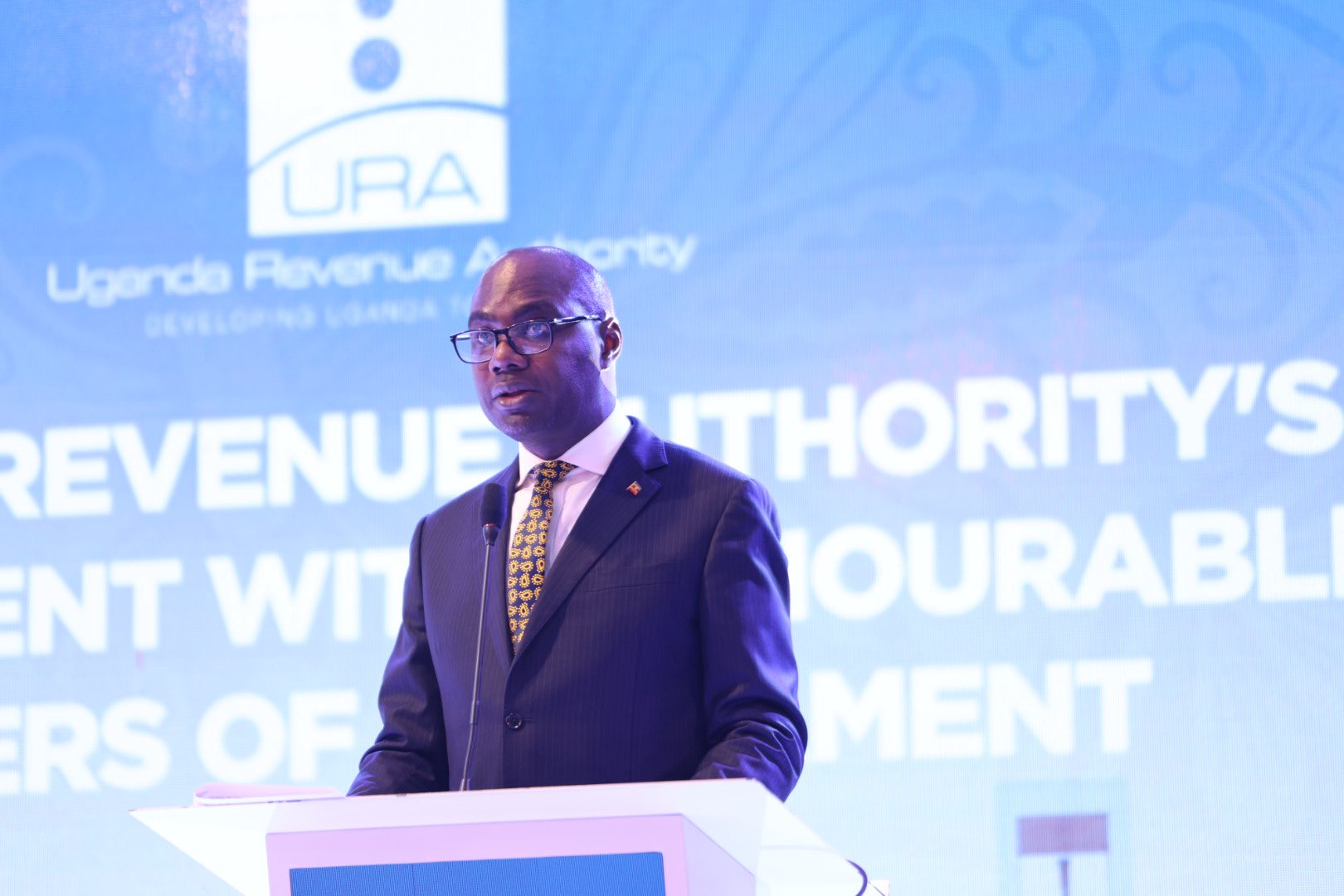
Speaking at the URA Engagement with Committees of Parliament, Musasizi said while the informal sector provides livelihoods to millions, government’s role is to help businesses transition into organized, productive enterprises.
“Uganda’s informal sector provides livelihoods to millions of people. Our responsibility is to progressively help businesses move from informality into organized, productive and sustainable enterprises,” he said.
“A small business that is supported to grow today becomes a stronger taxpayer tomorrow. It employs more people, accesses finance, keeps better records and contributes more to the economy.”
The Minister called for an approach combining registration, taxpayer education, simplified compliance, technology and appropriate enforcement, and cautioned URA against criminalizing small businesses.
“URA must distinguish between deliberate tax evasion and a small business that requires assistance to understand and meet its obligations. The taxpayer is not the enemy,” Musasizi stressed.
He added that revenue administration must be anchored in fairness, professionalism and integrity, noting that every interaction with a taxpayer is an opportunity to build confidence in URA and Government.
On modernization, Hon. Musasizi said technology must fundamentally change revenue administration, and that government systems across URA, NIRA, URSB and Local Governments should no longer operate as isolated islands.
“These systems should not operate as isolated islands. Subject to the necessary legal and data-protection safeguards, Government information should increasingly enable us to identify economic activity, improve taxpayer registration, verify declarations and target compliance interventions more effectively,” he said.
He noted that systems such as EFRIS and Digital Tax Stamps are not ends in themselves but instruments for building a modern tax administration.
“Digitalization should reduce unnecessary physical interaction between taxpayers and tax officers, lower compliance costs, improve traceability and reduce opportunities for revenue leakage and corruption. The URA of the future must increasingly be data-driven, technology-enabled and risk-based.”
###
What's your reaction?
You may also like

More in:Economy
Minister Musasizi: Uganda Must Finance Its Own Transformation, Not Relying on Borrowing and Donors
Rukiga MP Kiconco Urges Government to Fast Track Lowering SAGE Age Limit.
Opinion: Strengthening Uganda’s Anti-Corruption Systems
Minister Musasizi Tasks New URA Recruits on Integrity as Govt Targets 20% Tax to GDP Ratio