By Celine Najjemba
Ask many Ugandan men about their skincare routine and you will likely get a laugh. “Me? I just bathe.” A bar of soap, a bit of jelly if the skin feels dry, and out the door. Lotions, face washes and creams are seen as things for wives, sisters and girlfriends, and a man who carries a hand cream in his bag may get teased by his friends.
Yet the same men spend their days in Kampala’s heat and dust, on boda bodas, at building sites, in markets, in traffic and in air-conditioned offices. They shave several times a week, sweat through their shirts by noon and stand in the sun at taxi stages. Their skin works just as hard as anyone’s, often harder. Looking after it is not vanity. It is basic care for the largest organ of the body.
Personal care is health, not decoration
Your skin is your body’s first line of defence. It keeps water in and keeps dirt, germs and irritants out. When it is cracked, dry or constantly irritated, that barrier weakens.
Good personal care also prevents everyday problems that many men simply put up with: body odour, rough and cracked heels, itchy fungal infections in warm, damp areas such as the feet and groin, and painful bumps after shaving. Most of these are easier to prevent than to treat, and prevention costs far less than a clinic visit.
Then there is confidence. Whether you are walking into a job interview, meeting a client, preaching on Sunday or going on a first date, clean, healthy skin and a fresh smell help you feel ready. People notice when someone takes care of themselves, and so do you.
Skin does not check your gender
Men’s skin does tend to differ from women’s in some ways. It is often thicker and oilier, and regular shaving puts it under extra stress. But the basic needs are the same for everyone: keep it clean, keep it moisturised and protect it from the sun.
What matters more than gender is skin type and skin concern. One man has oily, breakout-prone skin; another has dry, ashy skin that cracks in the dry season; a third struggles with dark marks left by shaving bumps. These do not need the same products.
The smartest approach is to identify what your own skin needs and choose products made for that concern.
A simple routine for men: three steps, five minutes
You do not need a shelf full of products. Start with these three steps.
1. Cleanse, morning and night. Wash your face with a gentle face cleanser rather than a harsh bathing bar, which can leave the skin tight and dry. Use lukewarm water and pat dry with a clean towel.
After a sweaty day at work or the gym, a proper wash before bed makes a big difference, I know this gender will struggle alot here.
2. Moisturise every day. Even oily skin needs moisture; when skin is dehydrated, it often produces more oil to compensate. Choose a light lotion for the face if your skin is oily, and a richer cream or body lotion for dry areas such as elbows, knees, shins and feet.
Petroleum jelly works well on very dry patches and cracked heels, but on an oily face it can feel heavy, and it is not a complete routine on its own.
3. Protect from the sun. Uganda sits on the equator, where the sun is strong all year, even on cloudy days. Dark skin offers some natural protection, but not enough to prevent dark spots, uneven tone and early wrinkles. If you work outdoors, ride a boda boda or spend long hours in traffic, a sunscreen of SPF 30 or higher every morning, plus a cap or hat, is one of the best investments you can make.
Shaving without the bumps
For many Ugandan men, the biggest skin problem is not acne but shaving bumps, the small, itchy and sometimes painful bumps that appear when curly hair grows back into the skin. They can leave dark marks that last for months. A few habits help:
-Wash your face with warm water before shaving to soften the hair.
-Use a clean, sharp razor or clipper, and never share razors. Shared razors can spread infections.
-Shave in the direction the hair grows, and avoid pulling the skin tight.
-Rinse with cool water and apply a gentle, fragrance-free moisturiser afterwards, not a stinging spirit.
-If bumps keep coming back, try shaving less often or keeping a short, trimmed beard.
If the bumps become painful, filled with pus or leave scars, see a doctor or dermatologist.
Body care basics every man should know
1. Shower daily, and again after heavy sweating. Dry well between the toes and in skin folds to prevent fungal infections.
2. Use a body wash or soap that suits your skin. Oily, sweat-prone skin may prefer a clarifying wash; dry skin needs something gentler.
3. Moisturise after bathing, while the skin is still slightly damp.
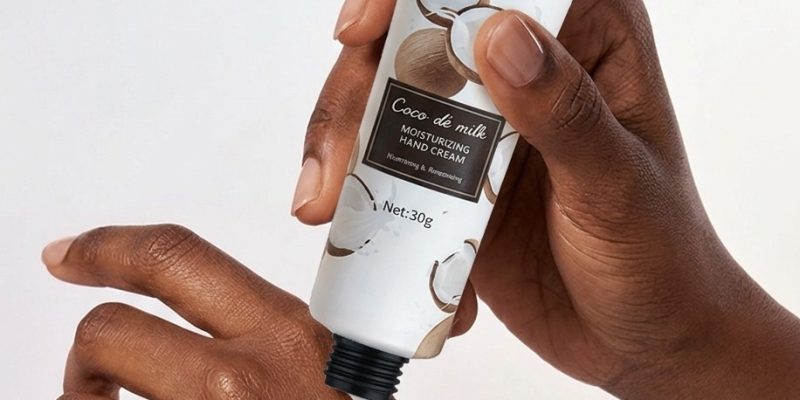
4. Look after your hands and feet. Workers who handle cement, tools or cash all day benefit from a hand cream. Cracked heels respond to regular moisturising and clean, dry socks.
5. Do not forget your lips. A simple lip balm prevents painful cracking in dry, dusty weather.
6. Change into clean clothes and socks daily. Good skincare is undone by yesterday’s sweat.
Common myths, answered
“Real men don’t use lotion.” Real skin gets dry, whoever owns it. Moisturising is about comfort and health, not image.
“Skincare is expensive.” Try www.ubeauty.com.ug products, they are made for our pockets.
“Stronger products work faster.” Harsh soaps, scrubbing and strong creams often cause more irritation and dark marks. Gentle, consistent care works better. If you exfoliate with Ubeauty Exfoliating Gell, twice a week is enough.
“My skin is fine; I don’t need anything.” Prevention is easier than repair. Sun damage, dryness and shaving marks build up quietly over the years.
How to start without overthinking it
Before you buy, ask yourself:
-Do I have a gentle cleanser, a moisturiser and a sunscreen? Start there.
-What is my main skin concern: oiliness, dryness, breakouts, shaving bumps or dark marks?
-Is this product made for that concern?
-Does it have a clear label, full ingredient list and manufacturer details, from a brand I can reach with questions?
-Am I ready to use it consistently for at least six weeks before judging?
Care developed for local skin and local life
Good skincare is not about a fashionable ingredient in a nice bottle. It starts with understanding the skin concern, then building a balanced formulation, making it to a consistent quality and improving it over time.
UBEAUTY’s skincare research began in China in 2015, building years of experience in ingredients, formulation and product development. In 2023 the team came to Uganda to study the local market: the skin concerns people here face most, the heat, sun and dust of daily life, and what Ugandans need from their routines. In September 2024, UBEAUTY established manufacturing in Mbale and launched its range.
That local understanding shapes a range of targeted options for different skin types and concerns, from oily and breakout-prone skin to dryness and dark marks, rather than one product for everyone. Plant-derived ingredients are an important part of the formulation approach, alongside attention to gentleness, effectiveness and everyday affordability. Cleansers, body washes, lotions and hand creams in the range work for men and women alike, because skin needs are about skin type, not gender.
Looking after your skin does not make you less of a man. It makes you a man who takes his health, his hygiene and his presence seriously.
Explore the UBEAUTY range at www.ubeauty.com.ug, or chat with the team on WhatsApp (+256 793 196 807) for help building a simple routine that fits your skin and your budget.
What's your reaction?
You may also like


More in:Business

AAYC, NIMD Explore Strategic Partnership to Advance Youth Leadership, Democracy and Peacebuilding

PRESIDENT MUSEVENI URGES SHEEMA FARMERS TO EMBRACE IRRIGATION, COMMERCIAL AGRICULTURE TO FIGHT POVERTY

PRESIDENT MUSEVENI URGES EUROPEAN INVESTORS TO TAP INTO UGANDA’S ECONOMIC OPPORTUNITIES
From the Lab to Your Bathroom Shelf: Why I’m Proud to Sell UBeauty