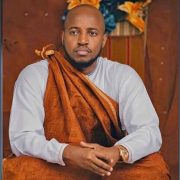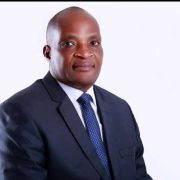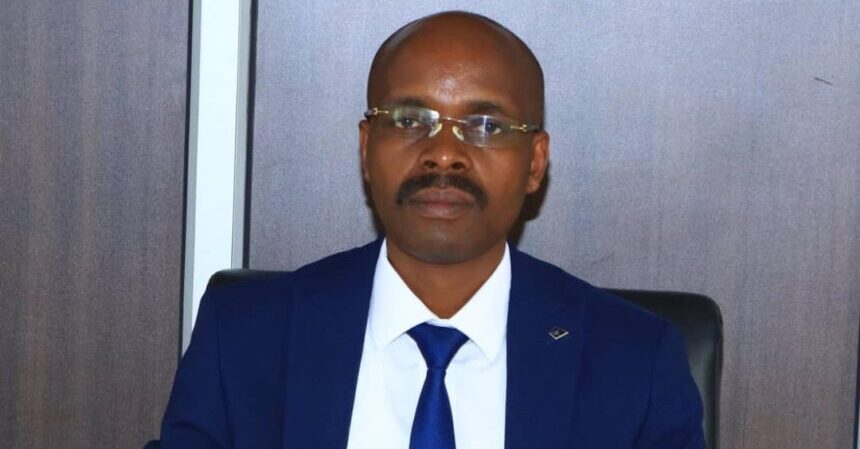
Mr Twesigomwe/ Courtsey Photo
By Albinious Twesigomwe
Following the conclusion of Uganda’s 2026 General Elections in January this year, the Country now enters a new phase of leadership, governance, and national reflection. The electoral period, which involved party primaries, national election nominations, campaigns, and voting, once again exposed both the strengths and weaknesses within Uganda’s political and governance systems especially in the face of the fight against corruption.
While public debate during and after elections often focuses on politicians, political parties, and government institutions, there is also a growing need for citizens themselves to reflect on the role they play in shaping the country’s political culture and governance standards.
From my observations as a student of Risk Management, international Law, and political Science, I have come to appreciate that corruption in Uganda is not only driven by public officials, but is also, in many ways, influenced by societal expectations placed upon leaders by voters and local communities.
Members of Parliament and other elected leaders are constitutionally mandated to carry out specific responsibilities. These include legislation, oversight of government expenditure and public institutions, representation of citizens’ concerns, participation in national debate, and approval of national budgets and taxation policies (Appropriation). These are the core responsibilities entrusted to them by the constitution whose power belongs to the people.
However, over time, many citizens have shifted their expectations beyond these constitutional mandates. Today, MPs, ministers, and local leaders are often pressured to provide school fees, funeral contributions, road repairs, church construction support, youth projects, medical assistance, and countless personal financial handouts to constituents.
Whereas these expectations arise from genuine social and economic challenges facing many Ugandans, they have unfortunately created an unhealthy political environment where leaders feel compelled to raise large sums of money to satisfy public demands. In many cases, this pressure becomes a breeding ground for corruption.
It is unrealistic to expect public officials, who earn salaries like other government and private sector workers, to personally finance every community need or individual request. Yet many leaders receive daily calls demanding millions of shillings for various causes. The reality is that such pressure can tempt some officials into questionable dealings and misuse of public resources in order to meet those expectations and maintain political support.
President Yoweri Museveni and Gen Muhoozi Kainerugaba our Chief Of Defence Forces who is also a Senior Presidential Advisor On Special Operations (CDF & SPA) has consistently emphasized the need to eliminate corruption in public service and strengthen accountability across government institutions. Their message remains clear: corruption undermines service delivery, delays development, weakens institutions, and slows Uganda’s socio-economic transformation.
However, the fight against corruption cannot be left to the President and CDF alone, anti-corruption agencies, Parliament, the Inspectorate of Government, security agencies, or other accountability institutions. The fight must also begin within our homes, villages, communities, and among voters themselves.
Citizens must understand the constitutional roles of Members of Parliament, ministers, and other public officials. Equally important, communities must avoid encouraging a culture where leaders are judged primarily by handouts and personal financial contributions rather than by service delivery, policy performance, and accountability. This has also weakened the quality of leaders we are sending to handle extremely important arm of government, where laws governing our societies are passed.
As the new leadership settles into office following the January 2026 elections and the subsequent 2026-2031cabinet appointments, Ugandans must give elected officials the space to perform their duties effectively without pushing them toward corruption through excessive personal demands.
At the same time, government institutions, religious leaders, cultural institutions, civil society organizations, and the media should strengthen civic education to help citizens better understand governance structures, leadership responsibilities, and the long-term dangers of corruption.
Uganda has enormous economic potential.
The government has consistently encouraged citizens to embrace wealth creation initiatives, commercial agriculture, industrialization, and participation in the money economy. Rather than depending entirely on politicians for personal survival, communities should increasingly focus on self-empowerment and sustainable income generation.
The fight against corruption is a collective responsibility. Until society acknowledges its indirect role in sustaining corrupt practices, meaningful progress may remain difficult to achieve. Uganda can only move forward when both leaders and citizens commit themselves to integrity, accountability, patriotism, and responsible citizenship.
The Writer is Risk Reduction Specialist and Political Commentator
Alibinious Twesigomwe
talbinious@gmail.com
Tel- +256 772098594
What's your reaction?
You may also like
More in:Analysis
One Day, Corruption Itself Will Report Ugandans to Police
Firm Leadership Is Not Dictatorship
Minister Musasizi Welcomes Standard Bank Commitment to Finance Uganda’s Tenfold Growth Strategy
Harnessing Intelligent Vehicle Monitoring Systems (IVMS) and IP Cameras to Revolutionize Road Safety in Uganda.