
On 16 July 2026, the Uganda Civil Aviation Authority (UCAA) presented its strategic direction, performance results, achievements, challenges, and future priorities to the Parliamentary Committee on Infrastructure. The presentation offered Parliament a comprehensive picture of where Uganda’s civil aviation sector stands today and where it intends to be over the next five years.
Far from being merely a report on airports and aircraft, the presentation illustrated the critical role aviation plays in national development, tourism, trade, investment, and regional connectivity.
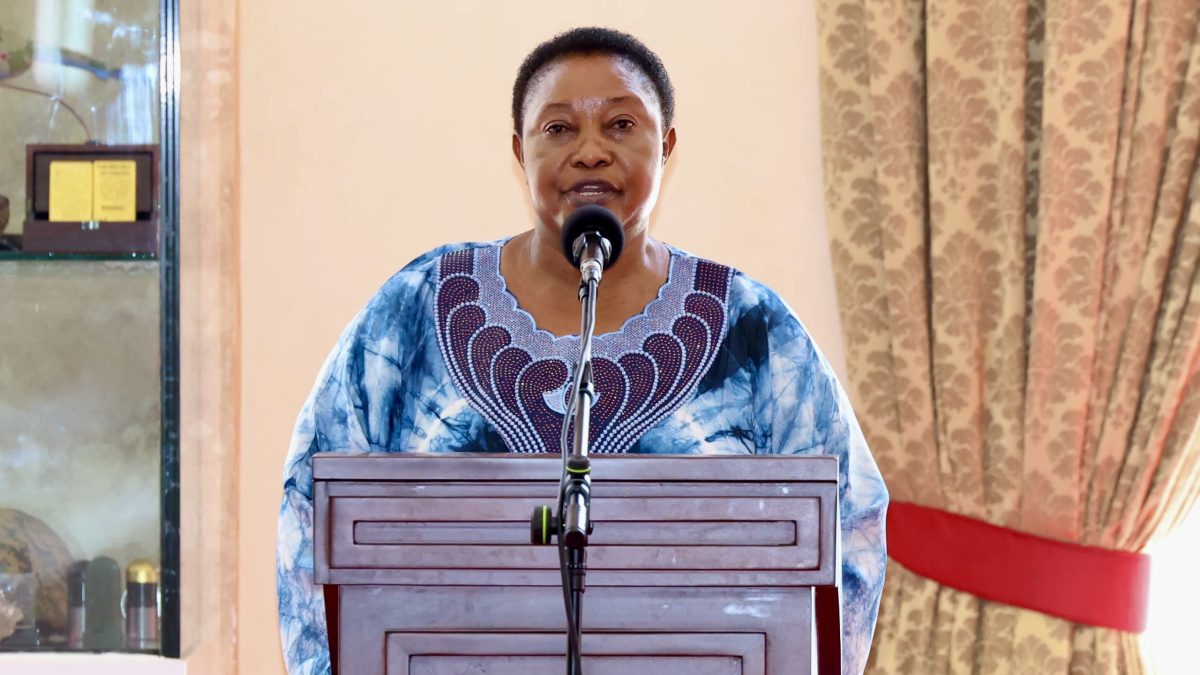
At the heart of UCAA’s message which was presented by Director Finance, Hassan Musinguzi was its mandate as the institution responsible for promoting safe, secure, regular, and efficient civil aviation in Uganda.
Established by an Act of Parliament in 1991, the Authority serves as regulator, airport manager, infrastructure developer, and provider of air navigation services. These responsibilities make UCAA one of the most strategically important government agencies in the country’s transport sector.
The Authority’s long-term vision is to be a leading provider of safe, secure, and sustainable civil aviation services, supported by a mission focused on maintaining the highest standards of safety, security, and service.
This commitment is reflected in the strategic plan covering the period FY2025/26 to FY2029/30, which is guided by five core objectives: strengthening the aviation policy and regulatory framework, improving airport infrastructure and services, building an economically viable aviation industry, strengthening institutional capacity, and promoting strategic partnerships.
During the presentation, UCAA highlighted how its strategic plan aligns with Uganda’s Fourth National Development Plan (NDP IV).
The Authority contributes directly to the Integrated Transport Infrastructure and Services Programme, an area considered essential for unlocking economic growth and improving connectivity across the country. In practical terms, this means investing in airports, supporting tourism development, enhancing regulatory oversight, and ensuring that the aviation sector remains capable of meeting both domestic and international standards.
Among the most significant interventions planned over the next five years are the continued upgrade of Entebbe International Airport, operationalisation of Kabalega International Airport, rehabilitation and modernization of regional aerodromes, development of an aviation master plan, and reforms aimed at separating aviation regulation from airport operations and management.
These initiatives are intended to position Uganda’s aviation sector to meet future demand while supporting broader national development priorities.
The Authority also used the opportunity to review its performance for the financial year 2025/26. Overall performance was reported at 79.7 percent, demonstrating substantial progress across a wide range of targets despite operational and financial challenges facing the sector.
UCAA recorded total revenue of UGX 346.5 billion, handled approximately 2.36 million international passengers, and maintained a record of zero major safety occurrences during the year.
These results underscore the Authority’s continued emphasis on balancing growth with safety and operational reliability.
A deeper look into performance indicators showed that out of 207 planned actions and targets, 121 were completed or achieved implementation levels of at least 80 percent. Another 74 were still in progress but below the 80-percent threshold.
This performance demonstrates an organization that is actively executing its plans while recognizing areas that require additional attention and resources.
Performance varied across the Authority’s strategic objectives. The strongest results were recorded under economic viability, which achieved 86.7 percent performance, followed by compliance-related activities at 82.5 percent.
Financial performance formed a major part of the presentation. Aeronautical revenue remained the dominant source of income, generating UGX 276.3 billion and accounting for the vast majority of total revenue.
Non-aeronautical revenue contributed UGX 69.2 billion, while government funding amounted to UGX 1 billion.
Overall revenue performance reached 86.3 percent of budget.
The revenue structure revealed the continued dependence of Uganda’s aviation sector on core operational services.
Passenger service charges, security charges, air navigation fees, and aircraft landing and parking fees remained the key contributors to aeronautical revenue.
Meanwhile, non-aeronautical income was driven by rent, utilities, interest income, parking fees, and handling charges.
The growing contribution of non-aeronautical revenue demonstrates the Authority’s gradual efforts to diversify its income streams and improve financial sustainability.
Operationally, the year delivered mixed but generally positive outcomes. International passenger traffic registered growth compared to the previous year, while commercial aircraft movements exceeded planned targets. Cargo performance showed contrasting trends, with exports declining compared to the previous period and imports recording a slight decline.
Even so, the aviation sector maintained steady activity levels, reinforcing its importance as a driver of commerce, travel, and investment.
A major portion of the presentation focused on achievements in safety and security oversight. UCAA reported successful implementation and maintenance of state safety and security oversight systems, development of its State Safety Programme, implementation of a business continuity plan, and completion of specialized training initiatives.
These achievements reflect the Authority’s commitment to maintaining compliance with international aviation standards while continuously strengthening Uganda’s aviation safety framework.
Infrastructure development was another area highlighted before Parliament. Several significant projects were completed during the year, including the new Passenger Terminal Building at Entebbe International Airport, rehabilitation and extension of Apron 1, implementation of Performance Based Navigation systems, acquisition of aircraft recovery equipment, installation of additional security screening equipment, and upgrades at Jinja Airfield.
These projects are designed to improve passenger experience, operational efficiency, and airport safety.
The Authority also provided updates on ongoing projects.
These include modifications to the passenger terminal building, installation of an airfield ground lighting system, upgrades to airport perimeter roads, construction of access roads and perimeter fencing, construction of a new terminal building at Kisoro, implementation of integrated concession management systems, installation of passenger information systems, and establishment of technical workshops.
Together, these projects represent a significant investment in the modernization of Uganda’s aviation infrastructure.
Despite these achievements, UCAA was candid about the challenges facing the sector.
Chief among them is the growing debt owed to the Authority by government institutions and Uganda Airlines. As presented to Parliament, overall debt stood at UGX 233.9 billion, including government debt of UGX 91.6 billion and Uganda Airlines debt of UGX 91.7 billion.
Such outstanding obligations place pressure on cash flows and reduce the Authority’s ability to finance critical infrastructure and operational requirements.
Other challenges identified include the high cost of developing and maintaining aviation infrastructure, constantly evolving international regulatory requirements, the impact of pandemics and epidemics on air travel, the high cost of training aviation professionals, and limited land available for airport expansion.
For each challenge, UCAA outlined mitigation measures ranging from government engagement and international cooperation to capacity building and strategic land acquisition.
Looking ahead, the Authority outlined priorities for FY2026/27. These include addressing international audit findings, accelerating infrastructure development, strengthening institutional capacity, improving revenue generation, and deepening partnerships and collaboration.
Revenue projections for the coming year indicate expected collections of more than UGX 402 million as presented in the budget estimates, driven by both aeronautical and non-aeronautical activities as well as government support.
The presentation ultimately conveyed an institution that is pursuing modernization while navigating significant financial and operational constraints.
UCAA’s message to Parliament was one of cautious optimism: the foundations for growth have been laid through strategic planning, infrastructure investment, regulatory reforms, and performance improvements. However, sustaining this momentum will require timely funding, debt resolution, continued government support, and successful implementation of ambitious development projects.
As Uganda seeks to strengthen its position as a regional aviation hub, the work of UCAA will remain central to connecting the country to opportunities across Africa and beyond
What's your reaction?
You may also like


More in:Business

Minister Babalanda Calls for Financing Architecture to Match Uganda’s US$500 Billion Growth Ambition by 2040

PRESIDENT MUSEVENI COMMENDED FOR SKILLING INITIATIVE AS STATE HOUSE ANNOUNCES NEW HUB IN BUSOGA
Namayingo Farmers Confront Sugar Council Over Delayed CN Sugar Licence

From Fragmented Processes to Integrated Operations: CINAT Technologies Launches GRIND ERP