ALHAJI FARUK KIRUNDA: Oyo’s demise and the rediscovery of Bantu-Luo common origins
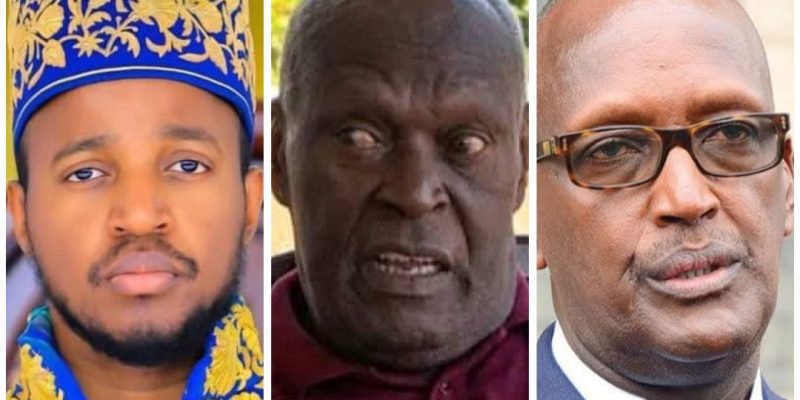
Amidst the shock, sadness and great misfortune of losing Omukama (King) of Tooro kingdom, Rukirabasaija Oyo Nyimba Kabamba Iguru Rukidi IV, an important lesson regarding the origins of most of the people populating current day nation of Uganda has come to the fore.
In following the trends and discussions around Oyo’s untimely demise, there is an overwhelming sense of oneness in mourning him transcending ethnic lines. One commentator said that Oyo was a king of Tooro but a leader of many. As someone who was close to and partly mentored by late Kyabazinga Henry Wako Muloki (R.I.P), I under this in a very personal way.
The deeper factor at play is that, suddenly, Ugandans, especially age mates of Oyo, have expressed enthusiasm in rediscovering their lineage. Many thought of themselves as being of a small and particular heritage only to learn in the last few days that their family roots and those of people they always considered strangers go all the way back to the same large pool of genes.
Over centuries, all the people now living in or hailing from Tooro, Ankole, Buganda, Busoga, Bunyoro, Acholi, Karagwe (in Tanzania) and, perhaps, beyond, can be traced to the Babiito dynasty, which came after the Chwezi empire in the 15th-16th century.
Historians report that after the Chwezi empire collapsed, Luo-speaking invaders from the north entered the area and established the Babiito dynasty under the leadership of Isingoma Rukidi Mpuga, blending with the local Bantu culture to form the powerful Bunyoro-Kitara kingdom. They introduced their rulership, customs, names and aspects of their language to it. That’s how you find names like Olimi, Oyo, Okwir and Rukidi among the Banyoro and Batooro. Even Basoga!
Batooro, and the ruling clans of Buganda and Busoga, descend from Bunyoro. The Batooro, Banyoro, Baganda, and Luo are linked through a shared history of migration, state formation, and royal dynastic integration rooted in the Bunyoro-Kitara Kingdom and northern migrations. The Batooro share the closest ancestry with the Banyoro. The Tooro Kingdom originally evolved as a western province of Bunyoro. It seceded in 1830 under Prince Kaboyo Olimi I (eldest son of the Omukama of Bunyoro), creating a separate political identity while retaining the same foundational language (Runyoro-Rutooro) and cultural traits.
Through the Babiito royal lineage that integrated with the local populations, northern Luo heritage influenced cultural markers across western and central kingdoms. This is evident in the traditional empaako (pet name) system used by the Banyoro and Batooro, which derives from Luo linguistic origins. Such include Amooti (as Oyo was called), Akiiki (President Museveni is fondly called so), Araali, Abwooli and Apuuli.
The Baganda share ancient Kitara cultural ties and regional intermingling with the Banyoro and Batooro, though Buganda developed a distinct centralized state system with its own distinct dialect and independent royal lineage (Kintu traditions), interacting closely through trade, warfare, and shared regional ancestry. Baganda are said to have originated from Kato Kimera, a twin brother of Rukidi Mpuga (of Bunyoro). Their mother was Nyatworo (daughter of Labongo, chief of the Luo Bakwonga clan) who married to Kyomya, a Chwezi prince.
As for Basoga, we trace our origins to one of the princes of Bunyoro, Mukama Namutukula, who migrated and crossed the Nile and settled there. The different clans to which all Basoga belong originate from his five sons (Wakoli, Zibondo, Ngobi, Tabingwa and Kitimbo). These lineages formed the Baise Ngobi (Ababiito) clan, whose descendants traditionally provide the hereditary rulers and the Kyabazinga (king) of Busoga.
Ankole, on the other hand, was founded by Ruhinda Rwa Njunaki, son of Wamara, the last king of the Bachwezi. Most obviously, Banyankole, Banyoro and Batooro (together with Bakiga) speak one general language (Runyakitara), only differentiated by unique dialects.
Beyond Uganda, it is common to find similar words meaning the same thing or something slightly different among tribes in diverse countries such as the Nyanja in Zambia, the Bahaya in Tanzania, Bangala in Congo, Luhya and Kikuyu in Kenya all the way to the Zulu in South Africa; the Luo of Uganda and those of Kenya. What is the point in this
This brings us back to President Museveni’s teachings and speeches over time in his quest to remove sectarian tendencies from the minds of not only Ugandans but Africans at large.
As a Pan-Africanist par excellence and much concerned with the future of all African peoples, Museveni has endeavored to remind us of the commonality of our origins and why brotherhood shouldn’t be the exception but, rather, the norm.
History and now a tragic time of bereavement, bear him out. If we remember our roots, rather than being taken up by the schemes of those promoting divisions based on superficial differences, then unity can be our reality, our lifestyle.
Political differences apply in choosing leaders and deciding policy matters (in republic politics), but they must not permeate the soul of the people. Religious differences are also limited to mode of worship and not meant to turn people against one another. Anybody using those arrangements to separate people is nobody’s friend and an enemy of all. I plan to do a major media project on this subject matter!
One reason why President Museveni strongly backed the restoration of cultural institutions was to help galvanise the people along the lines of their shared ancestry-for modernisation and collective strength. King Oyo, though young, did much to promote this broad unity alongside other acts of great leadership, particularly in transforming the lives of the people, working closely with his counterparts.
Even in death, he has helped reawaken the collective memory and spirit of a people that form one great nation/continent. May his soul rest in eternal peace!
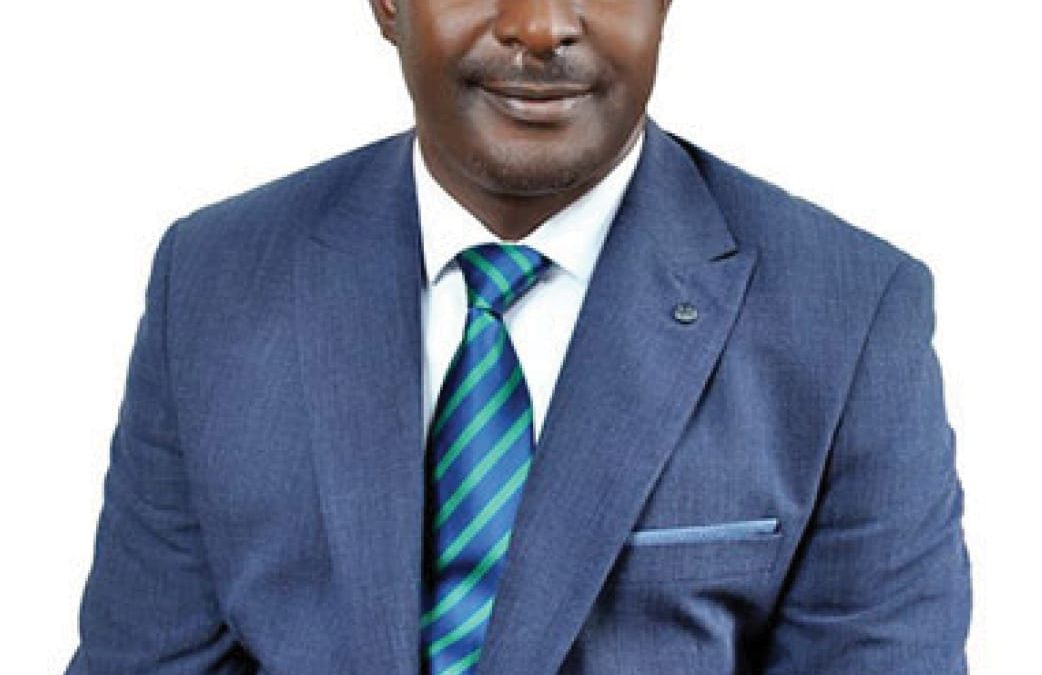
The author is the Special Presidential Assistant-Press & Mobilisation/Deputy Press Secretary-State House
What's your reaction?
You may also like
More in:Uganda
Focus on Climate Action, Tayebwa Tells MPs
64th Independence Day to Be Celebrated at State House – Minister Babalanda
President Museveni Fulfils UGX 50 Million Pledge for Fr. Bagumisiriza’s Marriage Book.
ALL SENIOR SIX VACISTS TO UNDERGO PATRIOTISM TRAINING AT NALI