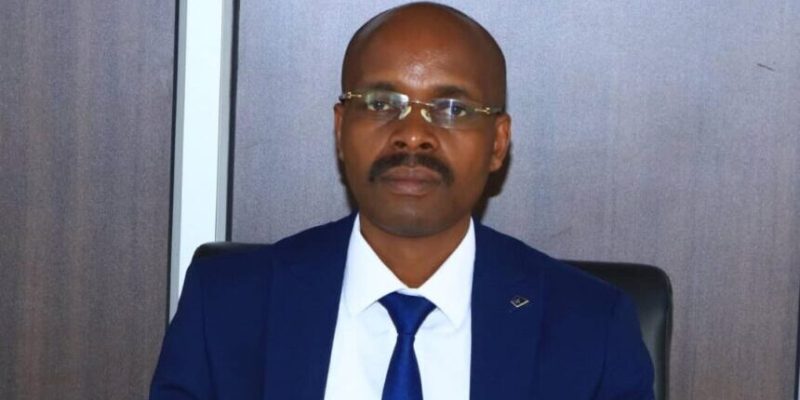
By Albinious Twesigomwe
Uganda must confront an uncomfortable question: Have we become so preoccupied with procedures, political labels and bureaucratic processes that we sometimes lose sight of the very purpose for which government exists?
For years, our political discourse has been dominated by democracy, constitutionalism, human rights, the rule of law and political freedoms. These are important foundations of a modern state. But democracy must ultimately deliver more than elections, speeches and procedures.
Citizens experience government through functioning hospitals, roads, drainage systems, sanitation, security, education and opportunities to prosper.
The problem arises when systems designed to protect good governance become so cumbersome that they begin obstructing governance itself.
We have perfected the language of administrative delay: The file is being processed. Approval is pending. The committee has not yet sat. Procurement is ongoing. The responsible officer is awaiting guidance.
Meanwhile, citizens continue waiting. This is not an argument against procedures. Procurement rules, financial controls and administrative safeguards exist for legitimate reasons – they protect public resources, promote fairness and reduce corruption. Procedures are means to an end, not the end itself.
Government should therefore not be judged only by the number of meetings held, reports written or files processed. It should be judged by whether the intended public service was actually delivered.
The question should be simple: What were you expected to achieve, by when, with what resources and did you achieve it?
I have often heard President Yoweri Museveni and senior government and military leaders described as dictators whenever government adopts a hard, direct or uncompromising approach to a particular problem. We must be careful about using the word “Dictator” simply because a leader refuses to accept excuses or insists that something must be done quickly.
Even the Bible provides an illustration. In Matthew 21:12, Jesus entered the temple courts and drove out those buying and selling, overturning the tables of the money changers. The lesson is not that governments should disregard the law, but that leadership sometimes requires decisive intervention when established practices have become harmful to the very institution they are supposed to serve.
There is a fundamental difference between dictatorship and decisive leadership.
A minister who demands performance is not authoritarian. An administrator who insists on deadlines is not undemocratic. And a leader who demands that a government project be completed is not a dictator.
This became particularly disturbing to me after watching NTV’s 7pm Akawungeezi bulletin this evening and seeing images of parts of Bwaise, with heavily congested drainage channels and mountains of garbage blocking everything.
Those images should trouble every Ugandan but they should also remind us that responsibility for public order and cleanliness is shared. Local leaders have responsibilities, municipal authorities have responsibilities, government agencies have responsibilities, businesses and property owners have responsibilities. Citizens have bigger responsibilities being the ones impacted directly.
We cannot close our eyes, continue living beside overflowing garbage and blocked drainage channels while waiting for government to come to our homes and solve every problem.
Clearly, there must be enforcement. If illegal dumping is occurring, those responsible should be identified and dealt with within the law. If drainage channels are being obstructed, the obstruction should immediately be removed by local leadership. If an area repeatedly becomes a public health hazard, the responsible institution/council must be identified, given a deadline and held accountable.
The answer cannot always be another meeting, another inspection, another report or another appeal. At some point, somebody will act. Indeed when security enforces public order standards, we should not call every strong enforcement action dictatorship.
We can learn from our military. My limited experience working alongside military officers has largely influenced my thinking. Military formations operate around clear responsibility, discipline, urgency and mission accomplishment.
An assignment is expected to produce action. A responsibility has an owner. A mission has an objective and time matters.
We can borrow military discipline: urgency without abandoning due process; clear responsibility without suppressing debate; and performance management without sacrificing rights.
Imagine every government programme being reduced to a few questions: What is the problem? Who is responsible? When must it be resolved? How will we know it has been resolved? Was the decision lawful? Were rights respected? Was public money protected? Did the decision achieve its intended public purpose? That is not dictatorship. That is accountability.
We need leaders bold enough to make difficult decisions and institutions capable of acting within reasonable time. We need leaders who can say: This is the problem. This is who is responsible. This is what the law requires. This is the deadline. This is what success looks like. Now get it done. That is not dictatorship, it is purposeful constitutional leadership.
Uganda has lost too much time and too many resources to bureaucracy, institutional buck-passing and fear of making decisions.
Therefore, firm leadership is not dictatorship, accountability is not authoritarianism and urgency is not lawlessness. Uganda needs purposeful leadership.
The Writer is a Disaster Risk Reduction Specialist and Political Commentator.
albinious@gmail.com
+256 772098594
###
What's your reaction?
You may also like


More in:Analysis

We Must Honor the Builders of PLU in Western Uganda
GROW Project Raises Government Wealth-Creation Investments to UGX 10.75 Trillion
Uganda’s Cash Economy and the Bank of Uganda’s New Cash Withdrawal Limits