Business

Kasese Records Decline in Road Accidents, Authorities Encourage Digital Number Plate Applications

BY WILFRED ARINDA NSHEKA

The Rwenzori East Region in Kasese has seen a significant reduction in road crashes over the past week compared to the first two weeks of January 2025.

According to Regional Police Spokesperson SP Nelson Tumushime, only three accidents were recorded last week, comprising two serious crashes and one minor incident, with no fatalities reported. Two individuals sustained injuries, but the overall situation on the roads remains calm and under control.

SP Tumushime attributed the improvement to enhanced road safety awareness and enforcement measures in the region. However, he urged road users to remain vigilant and adhere to traffic regulations to maintain the positive trend.

In a related development, the police encouraged residents to apply for the newly introduced digital number plates for their vehicles and motorcycles.

Applicants are required to provide a Tax Identification Number (TIN) and a National Identity Card, particularly for those who have not yet transferred ownership of their vehicles. This initiative is part of a nationwide effort to enhance vehicle identification and improve road safety management.

What's your reaction?

Excited
0
Happy
0
In Love
0
Not Sure
0
Silly
0

You may also like

Comments are closed.

More in:Business

Business

PRESIDENT MUSEVENI URGES EUROPEAN INVESTORS TO TAP INTO UGANDA’S ECONOMIC OPPORTUNITIES 
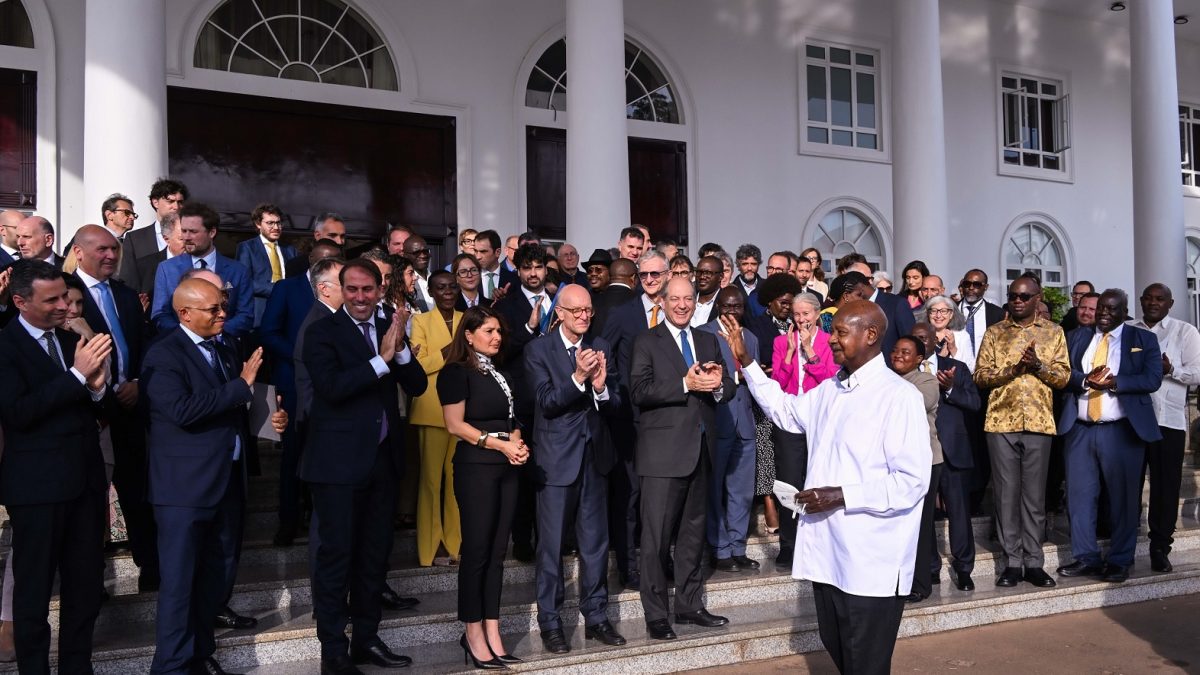
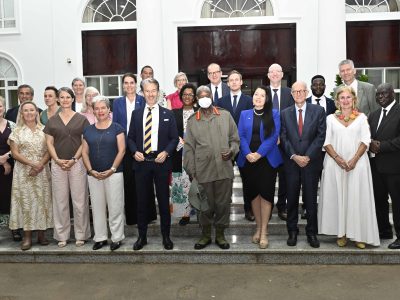
President Yoweri Kaguta Museveni has urged European investors to take advantage of Uganda’s economic opportunities, particularly in infrastructure, energy, manufacturing and agriculture, saying investment in productive sectors is key to expanding markets, creating jobs and accelerating economic transformation.    The President made the remarks today at State House Entebbe during a meeting with European Union Ambassadors and investors, where he highlighted Africa’s growing population and expanding market as a major opportunity for European businesses seeking investment and stronger economic partnerships. “This is what we have been advising our European friends to look at, because Africa is a big potential market with its fast-growing population,” he said. President Museveni attributed political instability in some African countries partly to identity-based politics, including tribalism, religious divisions and ideological misunderstandings, as well as a failure to appreciate the role of the private sector in driving economic growth. He said Uganda had learnt from these challenges and emphasised the need for a stable political and economic environment that enables private businesses to invest, expand production and create employment. The President welcomed ongoing and proposed European investments in Uganda, particularly in infrastructure and other productive sectors, saying such projects would strengthen economic links between Uganda and the European market. “All these projects are music to my ears. By constructing these projects here, you are linking the market of Uganda to that of Europe. Why can’t anyone see that?” he asked. On energy, President Museveni said the cost of electricity remained a critical factor in Uganda’s competitiveness, particularly for manufacturers seeking to produce goods at affordable prices. While welcoming private-sector investment in hydropower generation, he called for greater attention to electricity tariffs, arguing that affordable power was essential for industrial expansion and economic growth. He identified affordable electricity, railway transport and accessible financing for productive investments as key priorities for strengthening Uganda’s manufacturing sector. The President cited the Uganda Development Bank as an important source of financing for businesses engaged in productive activities, explaining that the government had retained the institution to support investments capable of expanding production and creating jobs. He also urged the European Investment Bank to channel more financing into strategic infrastructure, particularly railway development, electricity generation and distribution, and selected road projects. On road infrastructure, President Museveni encouraged European investors to explore opportunities in construction and financing models, including tolling arrangements where appropriate. The President also reaffirmed the government’s support for tax incentives aimed at attracting investment, particularly in manufacturing, and emphasised the importance of enabling eligible businesses to benefit from a 10-year tax holiday. ...