President Museveni to buy off Mayuge Sugar Factory for Busoga sugarcane farmers

Speaking on Wednesday, August 06, during a meeting with sugarcane growers and processors at Kityerera State Lodge in Mayuge District, Mr Museveni confirmed that the owners of Mayuge Sugar Factory had approached him with an offer to sell, which he now intends to pursue for the benefit of farmers.
“I pledged to build a sugar factory for you. Recently, the people of Mayuge Sugar Factory came and wanted to sell it to me and give it to the poor people. Do you agree?” Museveni asked, receiving a unanimous “Yes” from the gathered growers.
The President assured the farmers that government would enter into negotiations to acquire the facility and transfer ownership to the out growers, a move aimed at boosting farmer incomes and restoring fairness in the sugar value chain.
The meeting brought together sugarcane growers from Busoga, Buganda, Bunyoro, and Northern Uganda, alongside manufacturers and sector leaders. Farmers expressed relief that government was choosing to purchase an already operational plant, instead of starting a new one from scratch.
Uganda Sugarcane Growers Association Chairperson, Mr. Budugo Isa, raised concerns about continued exploitation by millers through arbitrary weight deductions. He noted that deductions of up to 20 percent per truck are being made under the guise of transporting trash-laden cane, even in cases where the cane is clean.
Mr Budugo added that the trash, which farmers are penalized for, is later used by factories to generate biogas and other products.

President Museveni directed the Ministry of Trade to immediately stop this exploitative practice, a directive that was welcomed with applause from the farmers, who also pledged support for his re-election bid in 2026.
He also addressed the question of who should grow sugarcane, warning that those with small plots of land would not break out of poverty relying on sugarcane farming.
Museveni advised that sugarcane should be left to those with large acreage, while smallholder farmers should adopt the four-acre model combining food crops, coffee, and livestock.
The President cited examples such as Joseph Ijara of Serere, who generates over UGX 1 billion annually from poultry and dairy zero grazing on just 2.5 acres, and another farmer, Nyakana, who earns UGX 300,000 daily from egg production.
On the issue of cotton farming, Museveni discouraged smallholders from growing the crop due to poor returns, saying it is best suited for institutions with large tracts of land like prisons and army barracks.
He also pledged to establish a revolving fund to help sugarcane farmers access fertilizers and improve productivity per acre.
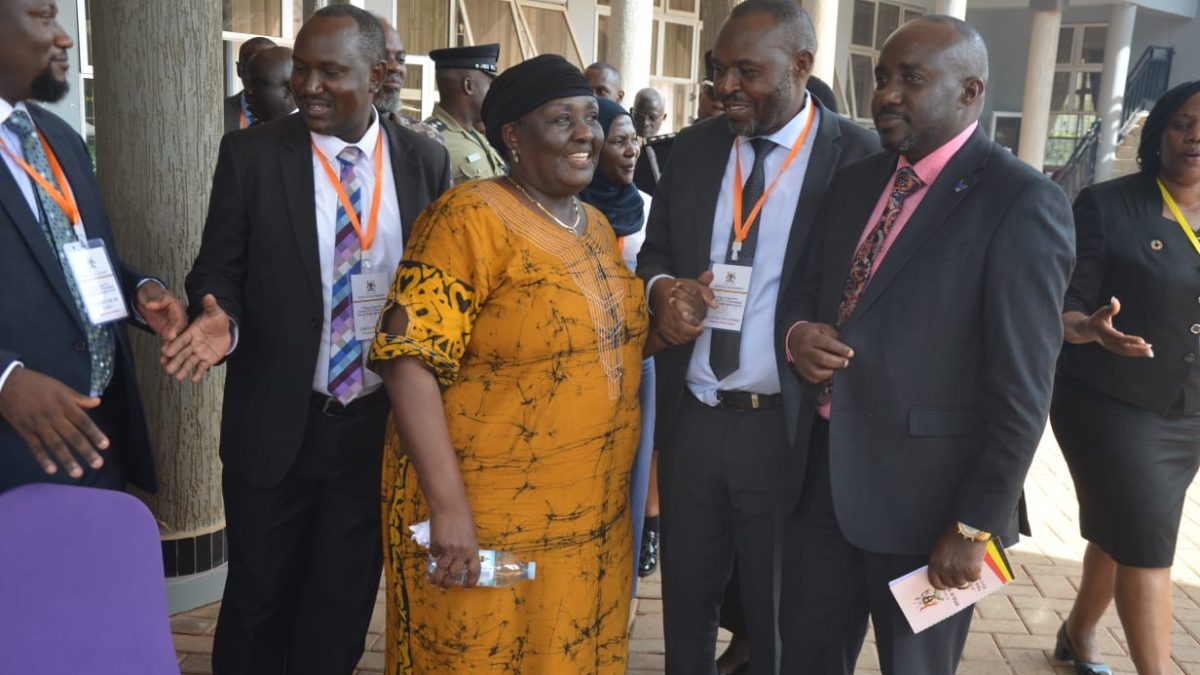
The meeting was attended by Third Deputy Prime Minister Rukia Isanga Nakadama, Minister for the Presidency Babirye Milly Babalanda, Trade Minister Francis Mwebesa, Busoga Parliamentary Caucus Chairperson Hajji Idi Isabirye, and a host of MPs, religious leaders, and local government officials.
Museveni further revealed that the cabinet will next week decide the fate of CN Sugar Ltd and Shakti Sugar Ltd, two mills that were closed due to operational issues.
What's your reaction?
You may also like

More in:Business

Personal care is not a gender issue. It is a matter of health, hygiene and self-confidence
AAYC, NIMD Explore Strategic Partnership to Advance Youth Leadership, Democracy and Peacebuilding

PRESIDENT MUSEVENI URGES SHEEMA FARMERS TO EMBRACE IRRIGATION, COMMERCIAL AGRICULTURE TO FIGHT POVERTY
PRESIDENT MUSEVENI URGES EUROPEAN INVESTORS TO TAP INTO UGANDA’S ECONOMIC OPPORTUNITIES