Schoolchildren at risk as NIRA faces a national ID backlog and inconsistent data
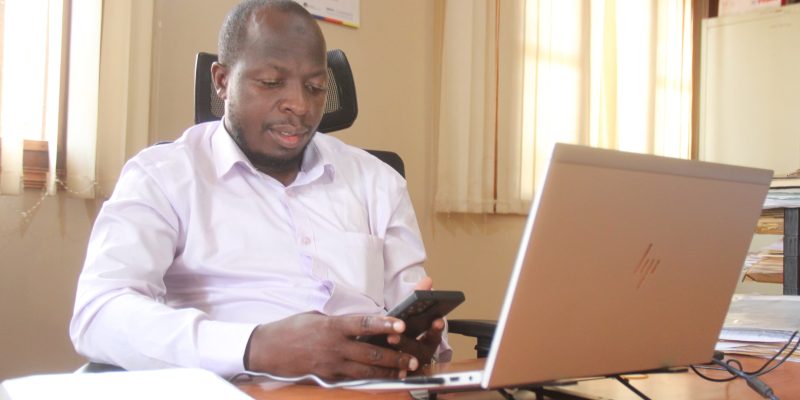
By Denis Mukisa
KAYUNGA: A recent National Identification and Registration Authority (NIRA) special exercise that ran from May 15 to June 30 has raised questions about children’s access to education after registering thousands of residents who missed earlier drives, including many schoolchildren.
The drive targeted residents who had not previously registered and pupils in local schools. Kayunga District Registration Officer Mpiima Muhammad said teams exceeded registration targets but encountered problems that could affect students’ school access.
“Some parents, particularly in rural areas, provided incorrect or inconsistent information about their children, including changing names,” Mr. Mpiima said. “When wrong information is given, registration is delayed and may incur costs, especially with false names or incorrect dates of birth.”
Officials warned incorrect or missing National Identification Numbers (NINs) may create barriers for school enrollment if policy moves toward mandatory NINs for admission. “Time is coming when children will not be allowed to join school without a NIN number,” Mr. Mpiima said, stressing the need for households to ensure every eligible member is registered.
Education stakeholders said the timing and logistics of the drive also matter for families. Registration teams reported many parents arriving late, often as officials were preparing to leave, while poor rural roads slowed operations. Those delays may leave some children unregistered before school admission deadlines.
Headteachers and parent representatives in Kayunga voiced mixed reactions. Some welcomed the drive as an important step toward ensuring children can access services tied to identity such as health and social protection. Others warned that requiring NINs without robust outreach risks excluding children from classrooms, especially in remote communities where parents struggle with documentation and travel costs.
NIRA confirmed that the new National ID cards are now fully operational across government agencies, including for SIM registration and banking, services increasingly tied to formal identification. “The new IDs required a new system to read the barcodes, which is why they were not working initially,” Mr. Mpiima explained. “Fortunately, the system is now available, and they are working.”
Despite the success in numbers, NIRA urged caregivers to collect ready National ID cards from the Kayunga office; officials say 95% of renewed cards are still uncollected. That backlog could leave many children and families unable to use their IDs when needed.
An up-to-date citizens’ register is crucial for planning school resources and social services, Mr. Mpiima said. Accurate birth and identity records help education planners verify enrollment, allocate funding, and track attendance and completion rates.
Local education officials and NIRA representatives called for coordinated follow-up measures: targeted outreach to remote villages, school-based registration drives before admission windows, and clear communication to parents about required documents to prevent last-minute exclusions.
Residents who still need to register or collect their IDs were urged to visit the Kayunga NIRA office promptly to avoid potential disruption to children’s school enrollment and access to essential services
What's your reaction?
You may also like

More in:Uganda
Tayebwa Issues Stern Warning to Ineffective Parliamentary Committees
Minister Babalanda Urges Ugandans in Diaspora to Invest at Home and Champion Uganda’s Global Image

“Boots on the Ground”: Journalist Hails NRM Treasurer Barbara Nekesa for Exemplary PDM Oversight in Busia as She Warns Against Fund Misuse

From the Lab to Your Bathroom Shelf: Why I’m Proud to Sell UBeauty