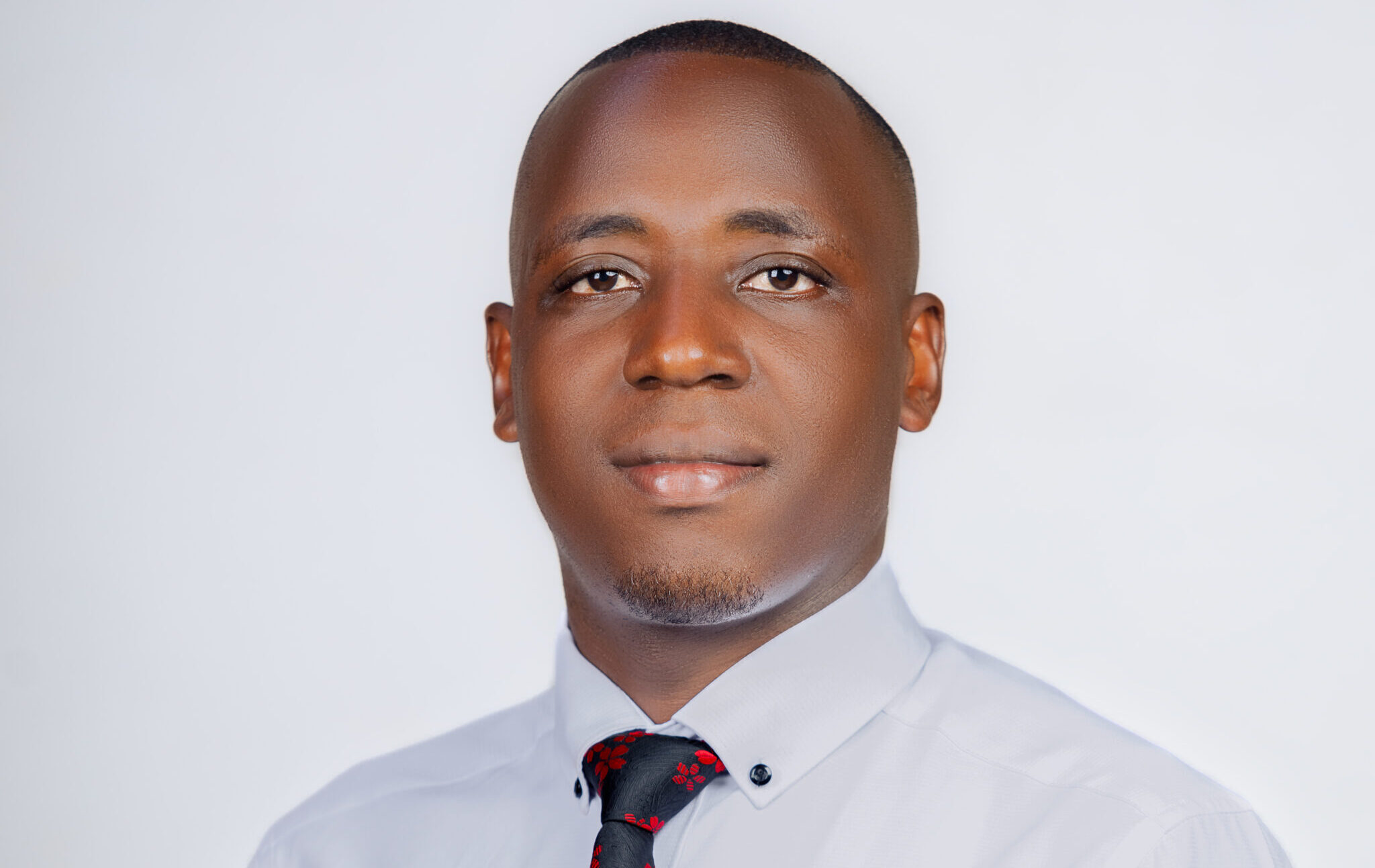
 By Wilfred Arinda Nshekantebirwe
Uganda’s 12th Parliament has just opened its doors. The swearing-in ceremonies are done, a new speaker has been elected, the speeches about service delivery and national development still warm in the air. But before the first committee is constituted or the first bill is tabled, we must ask ourselves a clear and uncomfortable question: will this Parliament serve the people, or will it serve itself? Evidence from its predecessor makes all of us uncomfortable.
The cost of maintaining Uganda’s Parliament rose significantly after COVID-19, from UGX 673 billion in the 2020/2021 financial year to UGX 979 billion in 2024/2025. To put that in context, developed countries fund 40% of Uganda’s budget, and yet Ugandan parliamentarians earn more than their counterparts in many of those donor nations, and continue to reward themselves with substantial perks. Meanwhile, 53.1% of Ugandans were multidimensionally poor in 2024, experiencing deprivations across education, health, basic services, and living standards. A Parliament that costs more and more while delivering less and less is not a legislature, it is an institution feeding on the nation it was established to serve.
The 11th Parliament’s record on accountability was not merely poor. It was, at points, scandalous. The Speaker sanctioned over corruption, ministers arrested over the same. Commissioners of Parliament award themselves billions of money, while their voters lack basic medicines. The 11th Parliament became nothing but a disaster for ordinary citizens.
It turned into the “House of Deals” through a litany of scandals nearly every month, a fresh corruption scandal would be reported. Perhaps worrying scandles went unreported. Our lawmakers must prioritise service delivery, accountability, and the welfare of ordinary Ugandans over personal enrichment and political patronage. With oil revenues knocking on the door, mismanagement of the oil funds will condemn millions to continued hardship, while prudent stewardship could transform the nation.
As Uganda prepares to receive substantial oil revenues, we must remember that history across the African continent has shown us, with painful repetition, that oil money without accountable institutions does not build nations, it builds elites.
If this Parliament operates as a House of Deals, oil money will benefit a few, through inflated contracts, patronage, and kickbacks. Revenues must fund transformative investments: universal health coverage, quality education reaching the last mile, agro-industrialisation, skills for youth, and climate-resilient infrastructure. Transparent oversight is non-negotiable. Parliament must demand full disclosure of contracts, rigorous audits, citizen participation in revenue allocation, and safeguards against recurrent spending that fuels consumption rather than capital development.
The 12th Parliament will be the primary institutional guardian of how those revenues are managed and distributed. If it follows the pattern of its predecessor, cutting deals in committees, rubber-stamping executive decisions, enriching insiders through procurement, and treating the public purse as a reward for loyalty, then it will not matter how many barrels Uganda pumps. The widow in Moroto, the child in Kotido, the mother waiting at a rural health centre with no drugs on the shelf, will see none of it.
What must the 12th Parliament do differently? It must enforce the Auditor General’s findings rather than quietly shelving them. It must resist the temptation to use parliamentary positions as platforms for personal business. It must protect whistleblowers rather than hound them. It must demand genuine accountability from every ministry and agency, not selective scrutiny deployed as political weaponry against opponents. And critically, it must design oversight mechanisms for petroleum revenues that are transparent, independently monitored, and insulated from the patronage networks that have hollowed out so much public expenditure.
Every MP in the 12th Parliament fought hard to get there. Some sold land. Some borrowed. Some spent money they will take years to recover. That is their business and their choice. But the moment they took that oath, the campaign was over. What begins now is the service. And service means the drug is on the shelf. Service means the classroom has a roof. Service means the audit report is not filed and forgotten but acted upon. Service means that when the Auditor General says billions were stolen, Parliament does not protect the thief because the thief is politically useful.The writer is the LC5 Workers’ Councillor Elect for Rubanda District
wilfredarinda@gmail.com
###
What's your reaction?
You may also like
More in:Analysis
We Must Honor the Builders of PLU in Western Uganda
GROW Project Raises Government Wealth-Creation Investments to UGX 10.75 Trillion
Uganda’s Cash Economy and the Bank of Uganda’s New Cash Withdrawal Limits
Opinion: Strengthening Uganda’s Anti-Corruption Systems