By Fatumah Hussein
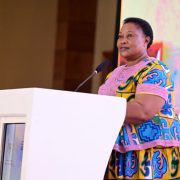
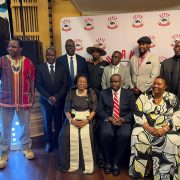
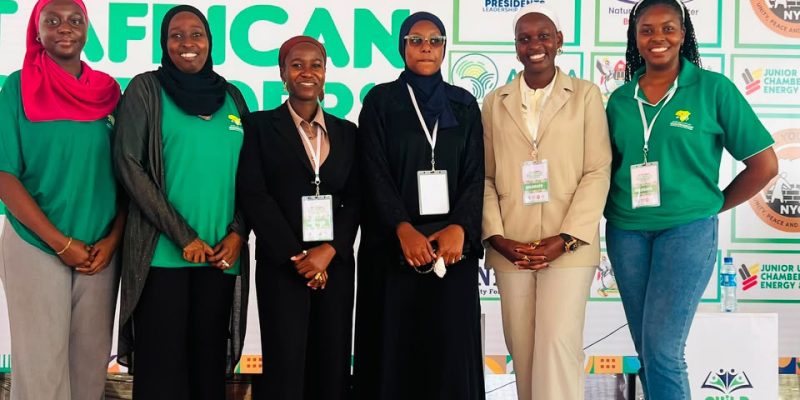
The atmosphere at Makerere University’s Freedom Square was charged with energy and ambition as more than 1,500 student leaders from Kenya, Tanzania, South Sudan, Rwanda, the Democratic Republic of Congo, Somalia and Uganda gathered for the 3rd Annual East African Guild Leaders’ Summit.
This was far more than a conventional academic gathering. Held under the theme, “Youth Leadership, Production, and Regional Integration: Building a Competitive East Africa in a Changing Global Order,” the summit transformed Makerere University into a platform for young leaders to discuss solutions to some of the region’s most pressing challenges.
With the participation of distinguished leaders, including former Tanzanian President H.E. Jakaya Kikwete, Uganda’s First Deputy Prime Minister Rt. Hon. Rebecca Kadaga, and summit patron Rt. Hon. Dr. Ruhakana Rugunda, the event challenged young people to rethink East Africa beyond historical borders and embrace a shared regional identity.
The discussions focused on practical pathways for the continent’s transformation—strengthening economic production, harnessing digital innovation, promoting entrepreneurship and ensuring that young people play a central role in governance and decision-making.
A Generation Redefining Regional Integration
The energy at Freedom Square reflected a growing movement among East Africa’s youth, particularly Generation Z, who are increasingly demanding a greater role in shaping the region’s future.
For decades, regional integration has largely been viewed as a government-led process driven by treaties and institutions. However, the summit demonstrated that young people are emerging as active architects of integration through innovation, collaboration and cross-border partnerships.
This vision closely aligns with the mission of the Afro-Arab Youth Council (AAYC), headquartered in Kampala, whose guiding principles of Youth, Peace, Unity and Development continue to inspire young leaders across Africa and the Arab world.
The summit brought this vision to life through three key areas:
Borderless Alliances
By bringing together student leaders from across East Africa, the summit created a platform for young people to build lasting networks, exchange ideas and develop partnerships beyond national boundaries.
These connections demonstrate that regional unity is strengthened not only through political agreements but also through relationships among young citizens who share common aspirations.
Economic Empowerment
The discussions emphasised the importance of youth-led innovation, entrepreneurship and production as drivers of economic transformation.
With Africa’s youthful population growing rapidly, young people are increasingly recognising that sustainable development requires moving from being consumers of opportunities to becoming creators of solutions, businesses and industries.
Active Governance
The summit also highlighted the need for young leaders to actively participate in shaping public policy and governance.
Beyond occupying leadership positions in the future, young people are demanding a voice in present-day decision-making processes and are positioning themselves as partners in building stronger institutions.
The Blueprint Belongs to the Youth
The message from Makerere University’s Freedom Square was clear: unity is East Africa’s greatest strength, and young people are its greatest resource.
Regional integration can no longer remain a distant aspiration confined to policy documents and diplomatic discussions. It is becoming a reality driven by a connected generation that understands the power of collaboration, technology and shared purpose.
The blueprint has been drawn. The next chapter belongs to a generation ready to innovate, lead and build a more competitive and united East Africa.
The future is not waiting for Gen-Z—it is being shaped by them.
What's your reaction?
You may also like
More in:National
Take Parliament to the People, Tayebwa Advise MPs
Minister Babalanda Warns Basoga Against Land Fragmentation, Urges Families to Embrace Wealth-Creation
PRESIDENT MUSEVENI URGES EUROPEAN INVESTORS TO TAP INTO UGANDA’S ECONOMIC OPPORTUNITIES