The opposition political party National Unity Platform (NUP) led by Robert Kyagulanyi Ssentamu alias Bobi Wine has suffered another political setback in Kigezi sub-region following the defection of key party mobilizers to the ruling National Resistance Movement (NRM).
The defectors include Junior Nzabandiho, the NUP Chairman of Bukimbiri, Shamim Nzebyose, the former female councilor aspirant on NUP ticket, Tushabomwe Bazilio, a prominent NUP mobilizer and head of veteran affairs and Viola Ampumuza from Rubanda district.
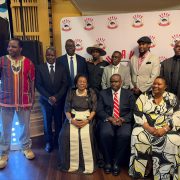
The more than 100 members of NUP from the districts of Kabale, Rubanda and Kisoro, crossed to the ruling National Resistance Movement (NRM), citing renewed confidence in the government’s development agenda and the promise of inclusivity in other government programs especially the Parish Development Model and youth livelihoods.
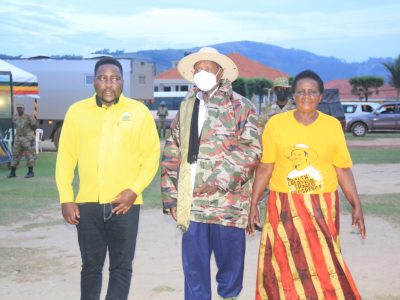
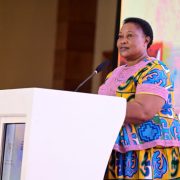
The group announced their defection during a sensitisation meeting on Sunday, led by Peace Rugambwa, the Senior Presidential Advisor on Grassroots Mobilisation and Small-Scale Agricultural Development (bona bageigahare) ahead of President Yoweri Museveni’s visit to the sub-region.
Rugambwa encouraged residents to take advantage of existing government programs under the NRM government, which aim to boost livelihoods through commercial agriculture, value addition, and entrepreneurship.
“The NRM government led by President Museveni has designed programs that are practical and transformative. It’s important for citizens to embrace them to improve their household incomes,” Rugambwa said, adding that she would act as a link between grassroot communities and central government to ensure services reach intended beneficiaries.
She cautioned against government officials who frustrate service delivery, saying such acts undermine public trust and tarnish the image of the ruling party. This, after the defectors raised concerns about government officials, charged with executing the Parish Development Model of coercing the beneficiaries of paying bribes before they can be offered their money.
Her message of inclusivity and empowerment attracted several opposition members, who publicly declared their decision to join the NRM and pledged allegiance to President Yoweri Kaguta Museveni and other party flag bearers.
One of the defectors, Edgar Twebaze, who was theRubanda NUP Chairperson, said he and others were previously discouraged by neglect from some government officials but were now motivated by Rugambwa’s message of renewed accountability and development.
“We had lost faith because of some leaders who ignored the people, hence joining NUP with hope that some things would change. But with this new energy and commitment, we believe our voices will finally be heard,” Twebaze said.
The mass defection marks another wave of political realignment ahead of the 2026 general elections, as the NRM steps up its grassroots mobilisation and community outreach efforts across the country.
What's your reaction?
You may also like
More in:National
Take Parliament to the People, Tayebwa Advise MPs
Minister Babalanda Warns Basoga Against Land Fragmentation, Urges Families to Embrace Wealth-Creation
PRESIDENT MUSEVENI URGES EUROPEAN INVESTORS TO TAP INTO UGANDA’S ECONOMIC OPPORTUNITIES