Uganda
Following the January elections, grassroots rights organizations in Uganda report harassment.
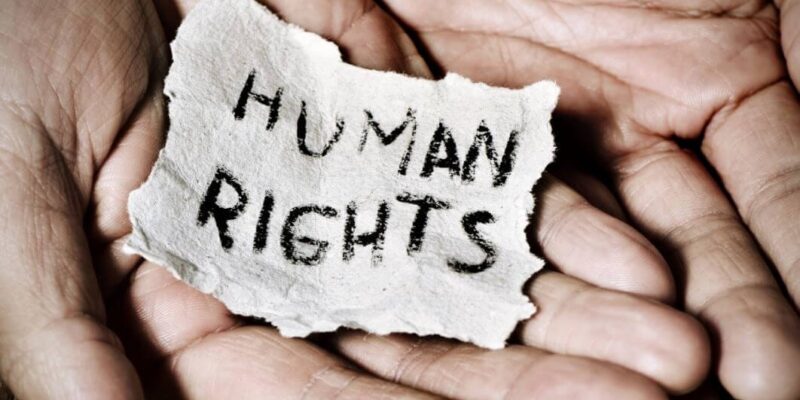
KAMPALA, Uganda — Several grassroots civil society organisations in Uganda report increased harassment and intimidation following the January elections, raising concerns about human rights defenders’ safety and the shrinking space for civic engagement. Two community-based organisations, Abakyala Civic Justice Collective (ACJC) and Katwe Community Rights Network (KCRN), have told our news Team that their staff and volunteers have faced threats, surveillance, and disruptions as a result of their work on election monitoring, civic education, and public criticism of the democratic environment. Both groups claimed the intimidation escalated after they expressed concerns about the election process and demanded transparency, accountability, and protection of citizens’ rights.
“We are a nonpartisan organisation working on human rights and peaceful civic participation,” said Hellen Nantongo, Director of ACJC. “But after the elections, it became difficult to hold community meetings without people assuming it is political. Some community members now fear being seen at our activities.”
ACJC primarily works with youth and women-led community groups to raise civic awareness and promote nonviolent community organising. Nantongo stated that some planned outreach sessions were postponed after volunteers reported being followed and questioned by members of the community.KCRN Director Peter Ssembatya stated that his organization has also faced pressure, such as employee harassment and attempts to disrupt local dialogue meetings. KCRN operates in informal settlements and urban communities, with a focus on democratic participation, access to justice, and human rights reporting.
“People have been labelled as opposition simply for speaking about rights and governance,” Ssembatya said. “The threats are not abstract. They affect how we operate, how we meet, and how safe our staff feel.”
According to the two organisations, the pressure increased after they collaborated on an election campaign aimed at encouraging peaceful participation and raising citizen awareness. The “Vote in Peace, Speak Your Rights” campaign featured community civic sessions, youth-led outreach, and public messaging to discourage political violence, intimidation, and hate speech. According to both organisations, the campaign encouraged citizens to document human rights violations and engage local leaders in lawful and peaceful ways. However, the organisations stated that the campaign was met with hostility from members of the community who accused them of undermining the election and “supporting the opposition,” despite the fact that both groups maintain their neutrality and do not endorse any political party. According to the groups, volunteers who participated in the campaign were threatened, and some staff members were verbally harassed and followed after the activities.
Both organisations stated that the threats have become serious enough that they are considering temporary relocation for the most vulnerable activists, particularly those who are well-known and have been targeted directly. They stated that relocation is increasingly viewed as a necessary short-term safety precaution to prevent future attacks while organisations review security procedures and adjust how they conduct public work. The organisations stated that their attempts to seek assistance through local authorities have not always resulted in clear follow-up, leaving employees concerned about their safety. They also stated that community members are becoming increasingly hesitant to attend public events related to elections, civic freedoms, or governance.
Rights groups in Uganda have repeatedly warned that election seasons often pose additional risks for activists, such as restrictions on assembly and expression, particularly for grassroots organisations. ACJC and KCRN stated that they will continue to operate, but with increased caution, including smaller meetings, reduced public visibility, and a greater reliance on trusted community venues.
“We are committed to peace and human rights,” Nantongo said. “But the current environment makes even basic civic work feel risky.”
Both organisations urged stronger protections for civil society groups and authorities to ensure that constitutional freedoms, such as the right to peaceful assembly, association, and expression, are upheld in practice.
What's your reaction?
Excited
0
Happy
0
In Love
0
Not Sure
0
Silly
0
You may also like


More in:Uganda

From Fragmented Processes to Integrated Operations: CINAT Technologies Launches GRIND ERP
GRIND is launched today 1st October 2026 by CINAT Group as an enterprise resource planning ...

Minister Babalanda Calls for Investment and Industrial Partnerships to Accelerate Uganda’s Transformation at ITAF 2026 Casablanca, Morocco
Casablanca, Morocco | 30 September 2026 The Minister for the Presidency, Hon. Babirye Milly Babalanda, ...
Minister Babalanda tasks Greater Masaka RDCs, DISOs to strengthen monitoring, accountability
The Minister for the Presidency, Hon. Babirye Milly Babalanda, has tasked Resident District Commissioners (RDCs), ...

From 5.2 to 8.6 litres: How NAGRC is unlocking the Ankole’s milk potential
KIRUHURA, UGANDA | LIVESTOCK PRODUCTIVITY At Nshaara Conservation Ranch in Kiruhura District, a carefully ...