No Classroom, no Desk: Kayunga Pupils Endure Painful Learning Conditions
By Denis Mukisa
KAYUNGA: In many classrooms across Kayunga District, primary school pupils are forced to squeeze four or even five onto a single desk designed for two. Others sit on bare mats and papyrus reeds on the floor. When it rains, lessons come to a halt or children huddle together in already overcrowded rooms.
At Nongo Church of Uganda Primary School, headteacher Juliet Nantume paints a worrying picture of daily learning conditions. The school still relies on desks bought between 2004 and 2009. Despite writing to the district education office last year for help, no support has arrived.
“Children squeeze four or five per desk,” Nantume said. “The situation is uncomfortable and makes it very difficult for them to write properly.”
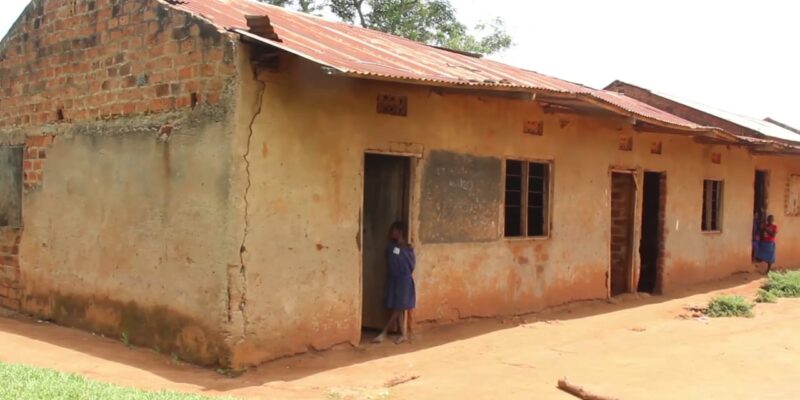
The school’s old classroom block adds another layer of danger. Nantume fears that heavy rains could cause parts of the structure to collapse, putting both pupils and teachers at risk.
The situation is equally tough at Tweyagalire RC Primary School in Kitimbwa Sub-county. With 425 pupils and only 69 desks, headteacher Namulinde Esther Nemwa gives priority to upper classes. Lower primary pupils sit on the floor.
“Those on the floor struggle with writing,” Namulinde explained. “It affects their concentration and the quality of their work.”
When heavy rain falls, pupils studying under trees rush into the few available classrooms. The already tight spaces become even more congested, forcing teachers to suspend lessons or teach in highly disrupted conditions.
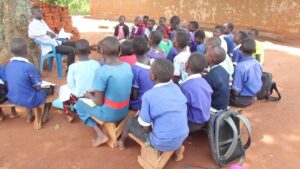
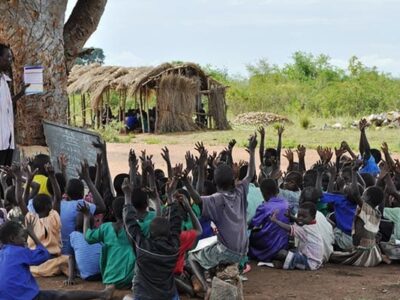
Pupils attending class in one of kayunga schools.
Parents say the impact on young learners is clear and worrying. Many children spend entire school days in physically uncomfortable positions, which affects both their health and academic progress.
The desk shortage is not just about numbers. It represents a deeper struggle for thousands of children in Kayunga who wake up every morning to pursue education under conditions that fall far below basic standards. For many, the simple act of sitting comfortably to read or write remains a daily challenge.
District Chairperson Andrew Muwonge admitted the challenges. He explained that the district has not procured desks in the past two financial years because of domestic arrears. However, Muwonge assured schools that this year’s Shs6.4 billion education budget will give priority to the sector.
“We shall work with the education department to identify the most affected schools and provide support,” he said.
Many in Kayunga remain skeptical. Teachers and parents argue that the cycle of complaints, unfulfilled promises, and election-time attention has persisted for years. They want to see concrete action, not repeated assurances. For pupils currently enduring these conditions, relief cannot come soon enough.
As schools continue to open their gates each morning, the children of Kayunga keep showing up, determined to learn despite the hardship. The question remains how much longer they will have to bear these difficult conditions.
What's your reaction?
You may also like

More in:Education

Busoga University Set for Full Reopening as Public Institution After Shs3.7 Billion Renovation
Degrees Without Rewards: Why Uganda’s Primary Teachers Remain Trapped on U7 Salary Scale.

US-Iran War: How it affects families in Uganda
Makerere University Kicks Off 76th Graduation Ceremony in 2026