Minister Lydia Wanyoto Joins National Leaders in Countrywide Cleaning Exercise, Calls for Collective Action on Sanitation
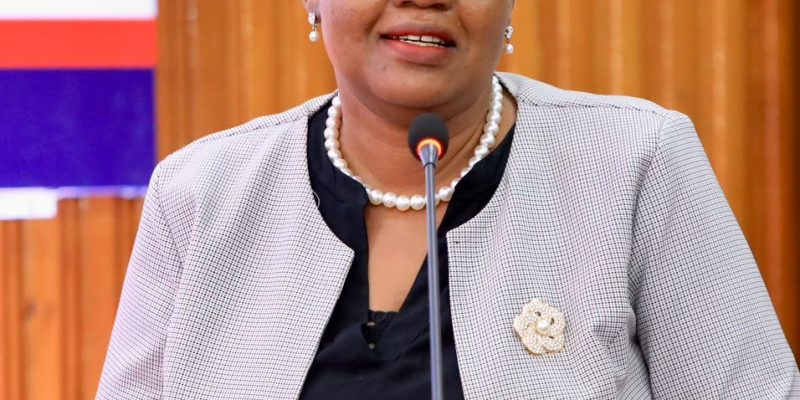
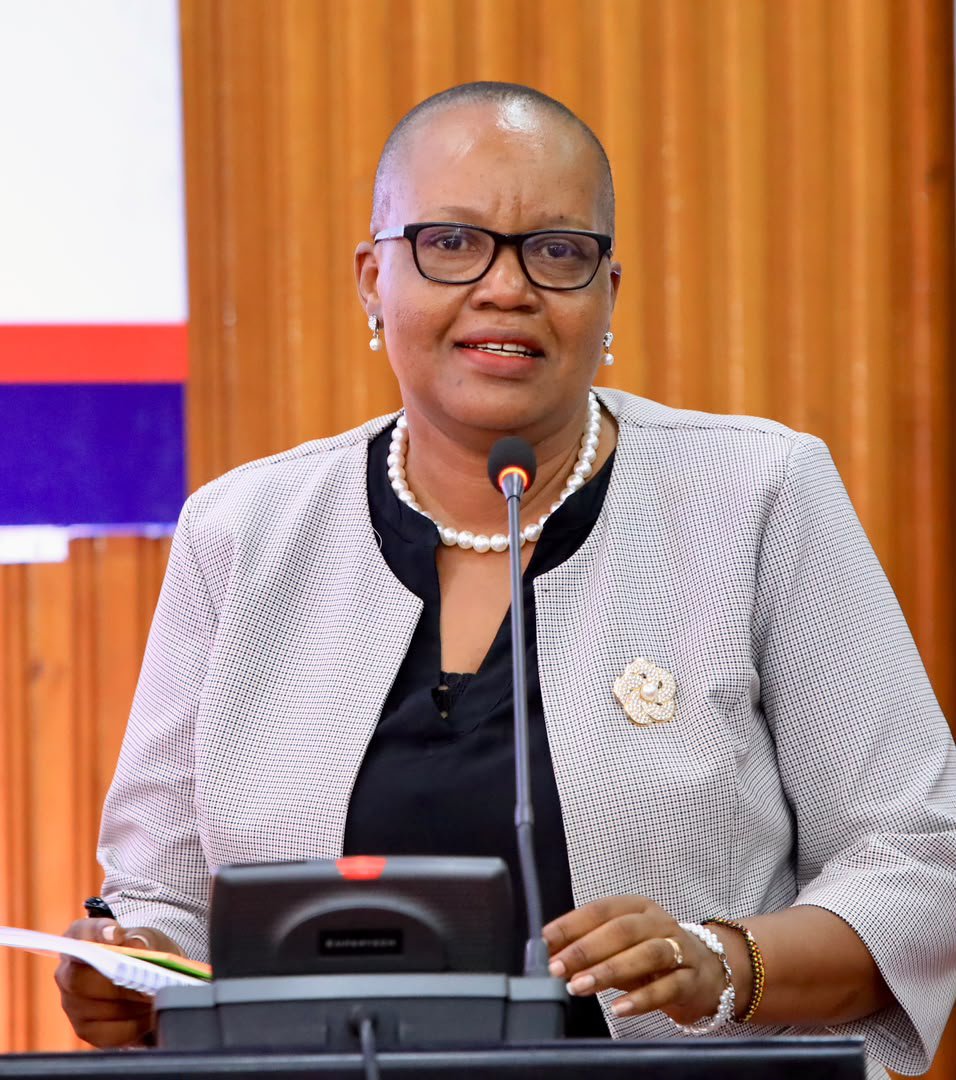
KAMPALA — The State Minister for Public Service Hon Lydia Wanyoto Mutende has led calls for Ugandans to embrace cleanliness as a shared national responsibility after participating in the National Cleaning Day exercise alongside the Prime Minister, Rt. Hon. Robinah Nabbanja, and other government leaders.
The nationwide exercise, held simultaneously across Uganda, saw ministers, Members of Parliament, Resident District Commissioners, district chairpersons, mayors, town clerks, local council leaders, security personnel, students, religious leaders, civil society organizations, and thousands of ordinary citizens take part in cleaning markets, streets, hospitals, schools, drainage channels, taxi parks, trading centres, and other public spaces.
Hon Wanyoto joined fellow leaders in the where they participated in sweeping streets, collecting garbage, clearing blocked drainage channels, and mobilizing members of the public to embrace proper sanitation and hygiene practices.
Speaking after the exercise, Wanyoto thanked Ugandans who turned up in large numbers, describing the overwhelming participation as a demonstration of patriotism and love for the country.
“Together with the Prime Minister, Rt. Hon. Robinah Nabbanja, and other leaders, we engaged in the National Cleaning Exercise as we aim to promote sanitation and hygiene. Thank you to all the patriotic Ugandans who managed to turn up for this exercise wherever you were,” Wanyoto posted on her X handle.
Her active participation earned praise from residents and fellow leaders, with many describing it as an example of servant leadership that inspires communities to actively participate in keeping their surroundings clean. Rather than merely supervising the exercise, Wanyoto worked alongside fellow volunteers, reinforcing the message that every Ugandan has a role to play in protecting the environment.
Across the country, the exercise transformed towns and cities into centres of community service. In Kampala, leaders and residents cleaned roads, markets and drainage channels to improve sanitation and reduce flooding. In Wakiso, Mukono, Jinja, Mbale, Gulu, Arua, Mbarara, Kabale, Masaka, Hoima, Fort Portal, Lira and many other districts, local leaders mobilized residents to remove heaps of garbage, slash overgrown vegetation, unclog water channels and improve the cleanliness of public spaces.
In municipalities and district headquarters, Resident District Commissioners, Chief Administrative Officers, District Chairpersons and municipal authorities worked side by side with youth groups, traders and security agencies. Schools, health centres and places of worship also organized their own cleaning activities, demonstrating broad national participation in the campaign.
The National Cleaning Day initiative forms part of government’s efforts to improve sanitation standards, reduce environmental pollution and encourage behavioural change among citizens. Officials say poor waste management remains one of the major challenges affecting both urban and rural communities, contributing to disease outbreaks and environmental degradation.
Health experts note that maintaining clean communities significantly reduces the spread of cholera, typhoid, dysentery and other sanitation-related diseases. Proper disposal of waste also minimizes mosquito breeding sites, lowers the risk of flooding caused by blocked drainage systems and creates safer, healthier neighbourhoods.
Environmental conservationists have also welcomed the initiative, noting that regular cleaning campaigns complement broader efforts to protect wetlands, rivers and other natural ecosystems from pollution caused by indiscriminate waste disposal.
Beyond the health benefits, National Cleaning Day is increasingly being recognized as an important civic activity that strengthens community participation and social responsibility. It brings together leaders and citizens regardless of political affiliation, religion or social status to work towards a common national goal.
The campaign also carries significant economic value. Clean cities and trading centres create a better environment for businesses, attract tourists and investors, and reduce public expenditure on treating preventable sanitation-related illnesses. As Uganda advances its industrialization and tourism ambitions, maintaining clean urban centres is viewed as an essential ingredient for sustainable development.
Government has encouraged every district, city, municipality and sub-county to sustain the momentum created by the national exercise through regular community clean-up activities. While National Cleaning Day serves as a coordinated nationwide campaign, local authorities have been urged to organize routine sanitation exercises throughout the year to ensure that cleanliness becomes a permanent culture rather than a one-day event.
Observers say the success of this year’s exercise was largely driven by the visible involvement of senior leaders, whose participation inspired communities to take ownership of the initiative.
###
What's your reaction?
More in:Environment

World Bank and Ewaterventures Bring Relief To Tanzania’s Water-Scarce Regions

Campaign to align climate change on Uganda curriculum Launched