Masaka City Authorities Cry-out to Government over Limited Funds for Infrastructure Development

By Brian Mugenyi
Infrastructure set up in Regional cities and municipalities under the Uganda Support for Municipal Infrastructure Development (USMID) programme is on the verge of collapse after authorities failed to come up with a sustainability plan for the project.
Currently; many solar lamps which were installed along the streets are no longer functional while others have been vandalized.
Manhole covers have been stolen and pavements knocked by unruly motorists remain unrepaired.
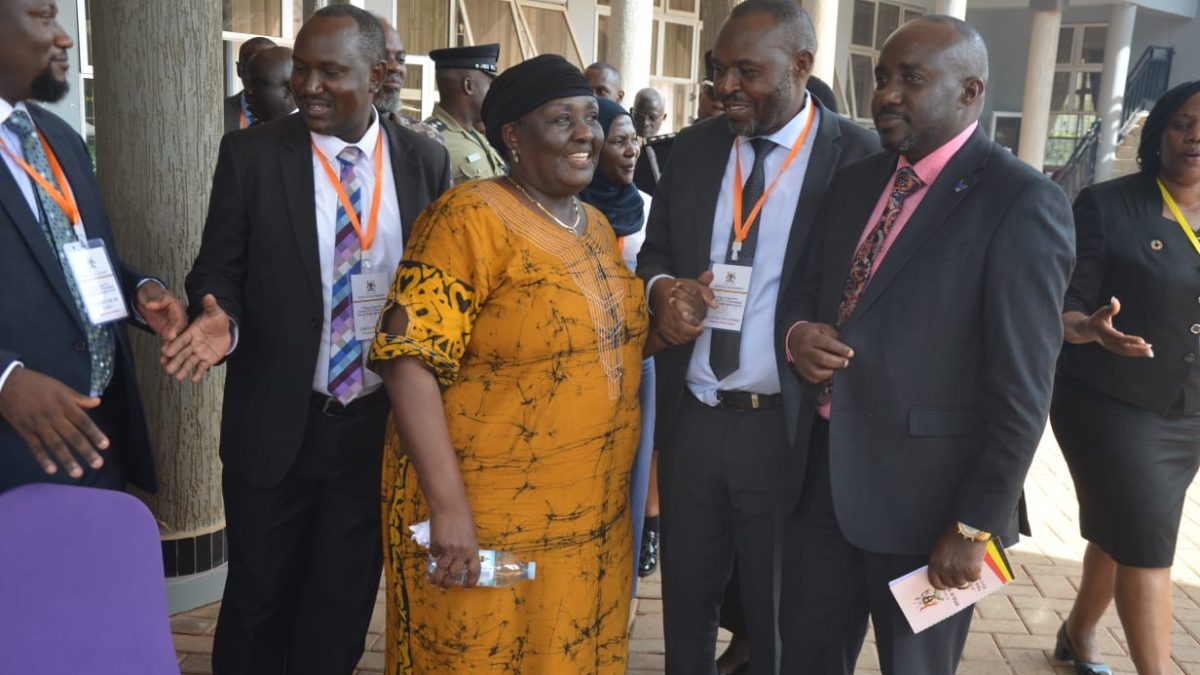
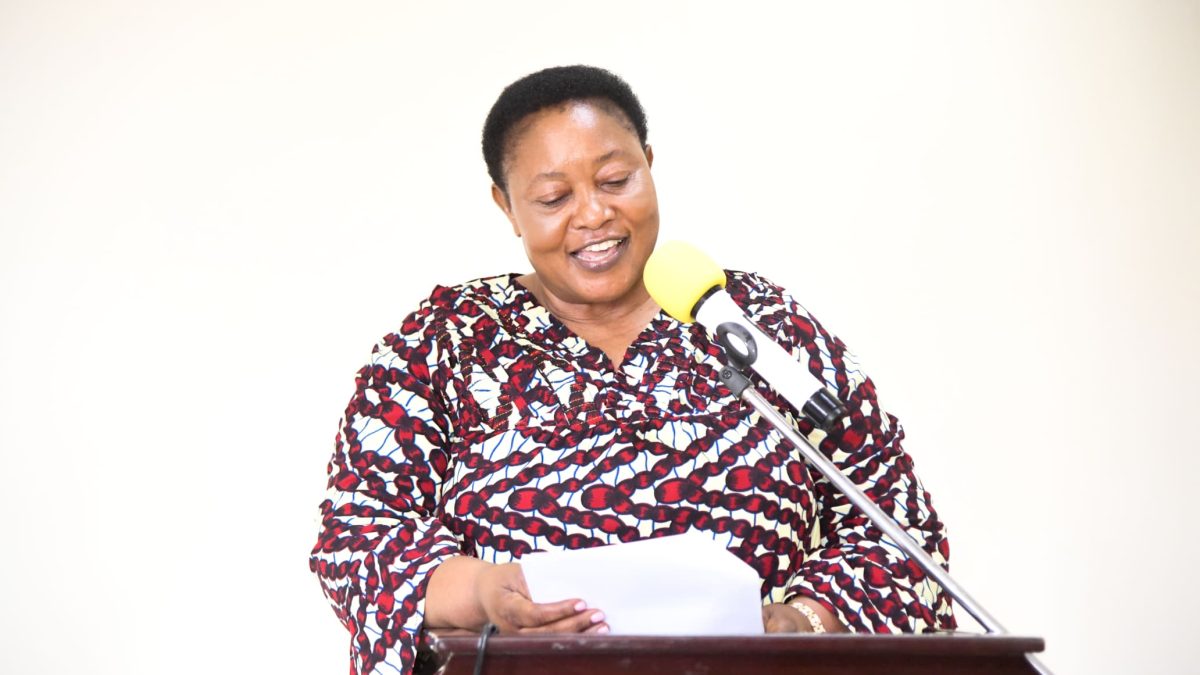
During the Greater Kampala Metropolitan area and urban development program (GKMA) tour visit of Masaka City roads and the Masaka Central Market on Monday led by the state Minister for Kampala Capital City and Metropolitan affairs Hajjat Minsa Kabanda; the Masaka City authorities observed that lack of funds for the restoration of impaired resources such as streets lights and manhole covers along the roads constructed under the Uganda Support for Municipal infrastructure Development program (USIMID) have delayed infrastructure activities.
“I hope to coordinate with the Masaka City authorities to ensure that they secure funds for the restoration of the vandalized infrastructures from the government to ensure smooth running of the city activities,” Ms Kabanda shared.

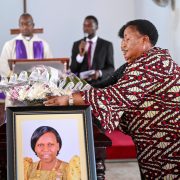
Minister-for-Kampala-Capital-City-and-Metropolitan-affairs-Hajjat-Minsa-Kabanda-during-the-Masaka-Cityb-tour-visit-on-Monday
The Greater Kampala Metropolitan area urban development program (GKMA) initiated in 2023 is being implemented under the Ministry of Kampala Capital City and Metropolitan Affairs with a five-fiscal year financial support worth $518m and $42.6m from World Bank and French Development Agency respectively.
According to Ejua Simon; the Masaka City Town Clerk; they have been grappling with the limited funds for the implementation of infrastructure development under the USIMID program despite their exerted efforts in securing funds from the government.
“Today, Masaka City has a population of over 250,000 people. The population prefers access to a number of resources and as leaders we’re certainly ungrateful that we have not secured funds to restore the past infrastructures such as vandalized solar street lights that helps to maintain security in the region,” he shared.
Mr. Martin Kigozi, the Masaka City physical planner shared that the Masaka City benefited from the Uganda Support for Municipal infrastructure Development program (USIMID) succeeded well with good contractors and technical team consultants yet the funds to foster the infrastructure program remains challenging.
“The value for money audit is very critical and in past projects
The Permanent secretary for the Greater Kampala Metropolitan area and urban development Ms Edemachu Monica promised to work with the local communities and the government to compensate the people whose properties were vandalized during infrastructure development such as roads extension.
“Several people were not compensated and this government’s program has measures to secure compensation of people and their properties,” she said.
The Greater Kampala Metropolitan area nine implementing entities include; Mukono District Local government, Mukono Municipal Council, Nansana Municipal Council, Mpigi District Local government, Kira Municipal Council, Entebbe Municipal Council, Makindye, Ssabagabo Municipal council, KCCA and Wakiso District Local government respectively.
Under the USIMID Program Masaka City through Electricity Development Sector Program in 2015 saw areas such as; Katwe- Butego Division, Bukoyolo, Kalagala to mention installed with 730 streetlights.
On the issue of health, Masaka registered improved and upgraded health centers including; Kasana Maternity facility, Kitabaazi and Kyabakuza health centre.
The Nyendo Market which accommodates 2000 retailers in the area was refurbished and shs: 25bn was spent.
The Masaka Municipality market was constructed with shs: 20billion and Ms Edemachu applauded the construction and the market vendors willingness to exercise trading in Masaka City.
What's your reaction?
You may also like
More in:Business

Personal care is not a gender issue. It is a matter of health, hygiene and self-confidence
AAYC, NIMD Explore Strategic Partnership to Advance Youth Leadership, Democracy and Peacebuilding
PRESIDENT MUSEVENI URGES SHEEMA FARMERS TO EMBRACE IRRIGATION, COMMERCIAL AGRICULTURE TO FIGHT POVERTY
PRESIDENT MUSEVENI URGES EUROPEAN INVESTORS TO TAP INTO UGANDA’S ECONOMIC OPPORTUNITIES