By Wilfred Arinda Nshekantebirwe
Uganda is sitting on UGX 32 trillion in pension savings. Finance Minister Hon Henry Musasizi wants the country to start thinking seriously about what that money can do.
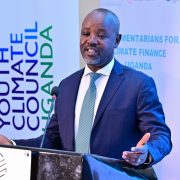
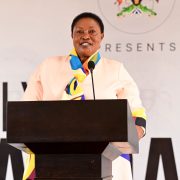
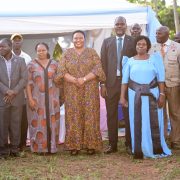
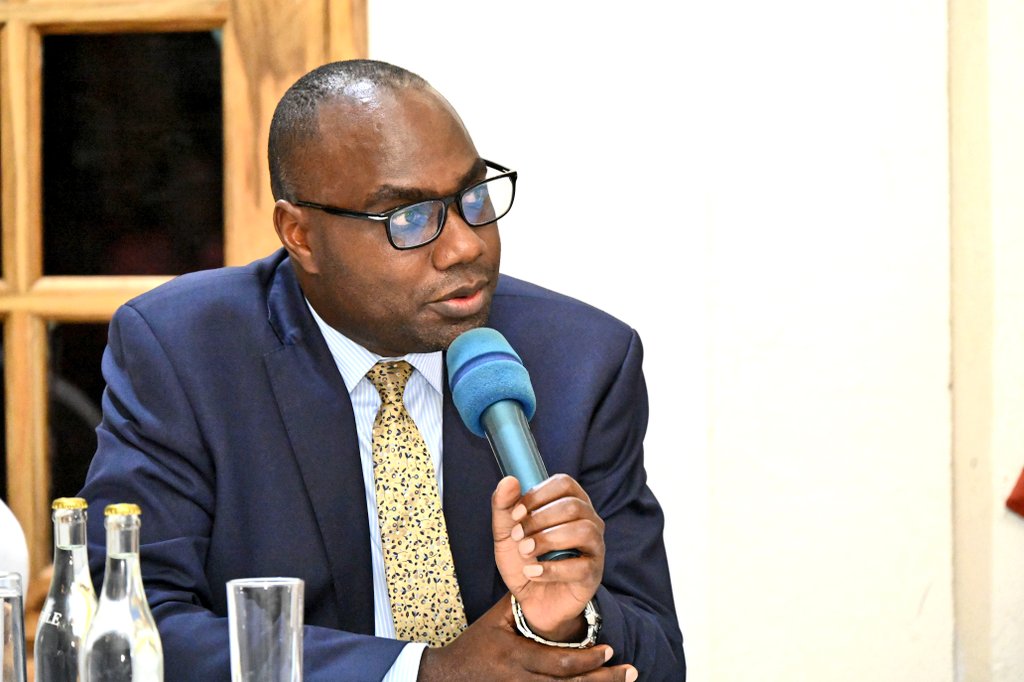
Speaking on Friday evening at the inauguration meeting of new Gender Minister Lt. Gen. Rtd. Henry Tumukunde and the leadership of the National Social Security Fund at Emin Pasha Hotel in Nakasero, Hon Henry Musasizi made the case that Uganda’s retirement benefits sector is not a welfare programme sitting quietly at the edges of the national economy.
It is, he argued, one of the most powerful sources of long-term domestic capital the country has, and it is time to treat it that way.
Pension funds, he told the gathering, provide exactly the kind of financing Uganda needs to build infrastructure, deepen its capital markets, and reduce the dependence on external borrowing that has shadowed the country’s development for decades. Institutions like NSSF, the Parliamentary Pension Scheme, and the Makerere University Retirement Benefits Scheme are not, in his framing, merely custodians of workers’ savings. They are strategic actors in Uganda’s economic transformation, and they need to start behaving like it.
The NSSF leadership in the room had come with a similar message. Board Chairman Dr. David Ogong and Managing Director Patrick Ayota told the meeting that the Fund is changing course. For years NSSF has operated primarily as a savings and benefits institution, collecting contributions and paying them out at retirement. That is changing. The Fund is now pivoting toward mobilising what its leadership described as patient capital, long-term, stable financing that can be channelled into the investments Uganda’s tenfold growth strategy demands. With UGX 32 trillion under management, they said, the timing is right to leverage the Fund’s resources to bring real value to the country.
It was the kind of declaration that Musasizi, three weeks into a tenure built around the ambition of growing Uganda’s economy from $50 billion to $500 billion, was clearly glad to hear. His five-pillar agenda, the $500 billion target, strict budgetary discipline, aggressive revenue mobilisation, the Presidential wealth creation agenda, and smart oil governance, runs on capital. Domestic capital, raised and deployed within Uganda, is always preferable to expensive external borrowing. A NSSF willing to direct its trillions toward strategic national investments closes that gap in ways that no amount of donor financing can replicate.
But Musasizi did not spend the evening simply welcoming the Fund’s new direction. He pushed. Social security coverage among workers in Uganda’s vast informal sector remains dangerously thin. Voluntary savings rates are low. Financial literacy among workers who have never engaged with formal savings mechanisms is insufficient. He encouraged NSSF and the Gender Ministry to treat the expansion of coverage into the informal sector not as an aspiration but as a concrete operational priority, alongside promoting voluntary savings and strengthening the financial literacy that makes meaningful participation in the pension system possible for ordinary Ugandans.
He also addressed regulation, and did so without ambiguity. A sector managing tens of trillions of shillings on behalf of workers who have no other financial safety net cannot be left to good intentions alone. Musasizi called on all stakeholders to appreciate and support the Uganda Retirement Benefits Regulatory Authority in its role of promoting a stable, well-regulated, and trusted pension industry. The message beneath that call was clear, the guardrails must hold, because the people whose money sits in these funds cannot afford for them not to.
###
What's your reaction?
You may also like
More in:National
Let’s Build Stronger Families for Uganda’s Future, Says Tayebwa
Focus on Climate Action, Tayebwa Tells MPs
President Museveni Fulfils UGX 50 Million Pledge for Fr. Bagumisiriza’s Marriage Book.
“I am Not Willing to Defend Corrupt RDCs,” Minister Babalanda Intensifies Expose the Corrupt Campaign