Uganda Media to Boost Coverage on Standards and Consumer Safety through New Capacity-Building Initiative
Uganda’s media sector has a unique opportunity to boost its coverage of standards, quality infrastructure, and consumer safety through a new capacity-building initiative. Ultimate Multimedia Consult (UMC), in partnership with the Uganda National Bureau of Standards (UNBS) has announced a call for applications for a comprehensive media training scheduled for early March 2026. The training is supported by TradeMark Africa (TMA).
The training aims to equip journalists, editors, digital content creators, and social media influencers with practical knowledge on critical topics such as product certification, compliance, fair trade, and consumer protection. As Uganda increasingly engages in regional, continental, and international markets, accurate reporting on these issues is vital for promoting quality standards, supporting local businesses, and safeguarding public health.
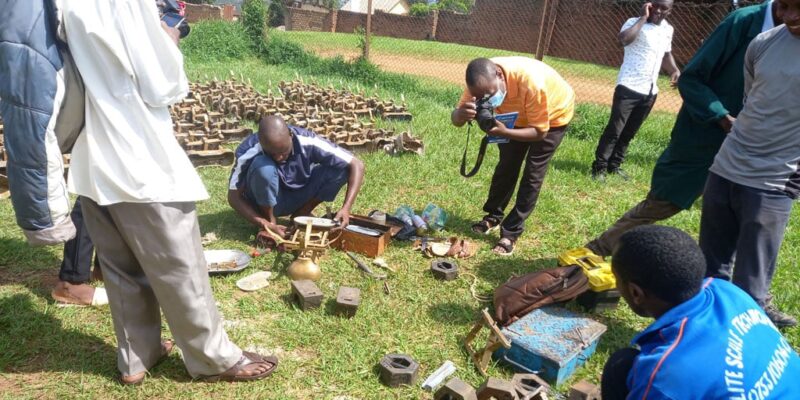
A pressing issue that the training seems to be addressing is the widespread practice of traders cheating Ugandans by using poor-quality or tampered weighing scales. Such practices undermine consumer trust and lead to economic losses, especially for vulnerable shoppers. Some traders manipulate scales to give lower weights, causing consumers to pay more than they should for goods like fruits, vegetables, and grains. Authorities like the Uganda National Bureau of Standards (UNBS) have been actively inspecting markets to combat this, but consumer awareness and media coverage remain crucial in tackling these deceptive practices.
Participants will benefit from specialized instruction on standards, quality systems, and metrology, alongside opportunities for story grants, editorial mentorship, and recognition at an awards ceremony set for March 20, 2026, according to the call for application
The training will be conducted in five locations across Uganda, with dates from March 1 to March 12, 2026. The cohorts will be held in Mukono, Mbale, Jinja, Gulu, and Mbarara, allowing applicants to choose the most convenient venue.
To be eligible, applicants must be recognized media practitioners, including TV, radio, print, or online journalists, talk show hosts, or digital content creators focusing on business, markets, manufacturing, or consumer issues. Female media professionals are especially encouraged to apply.
Applicants are required to submit two work samples related to standards or business issues, along with a commitment letter, either approved by their employer or self-signed with social media handles for freelancers and influencers.
The deadline for applications is February 24, 2026, at 7:00 PM EAT, with successful applicants notified the following day.
This initiative presents a valuable opportunity for media professionals to enhance their reporting skills and contribute to Uganda’s development in standards and consumer safety.
What's your reaction?
You may also like
More in:Business
Personal care is not a gender issue. It is a matter of health, hygiene and self-confidence
AAYC, NIMD Explore Strategic Partnership to Advance Youth Leadership, Democracy and Peacebuilding
PRESIDENT MUSEVENI URGES SHEEMA FARMERS TO EMBRACE IRRIGATION, COMMERCIAL AGRICULTURE TO FIGHT POVERTY
PRESIDENT MUSEVENI URGES EUROPEAN INVESTORS TO TAP INTO UGANDA’S ECONOMIC OPPORTUNITIES