Unplanned Pregnancies and Close Birth Spacing Threaten Maternal and Child Health in Rural Uganda
By Denis Mukisa
KANGULUMIRA, KAYUNGA: At a time when Uganda continues to battle high maternal and child mortality rates, a strong call has been made for wider adoption of family planning to break the cycle of frequent and unplanned pregnancies that endanger both mothers and their babies.
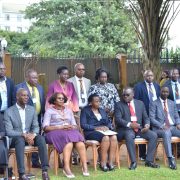
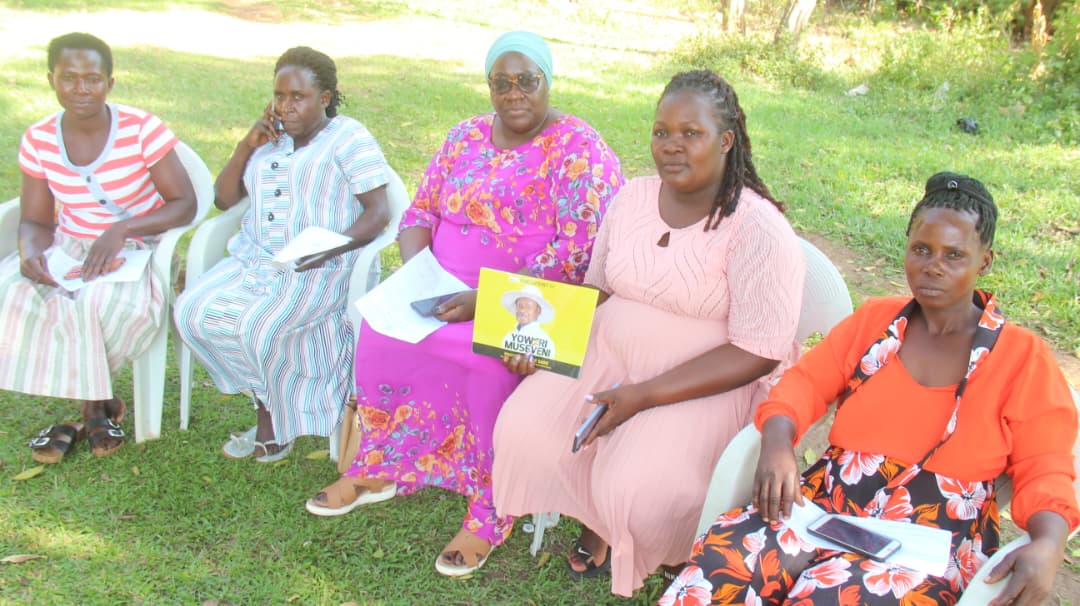
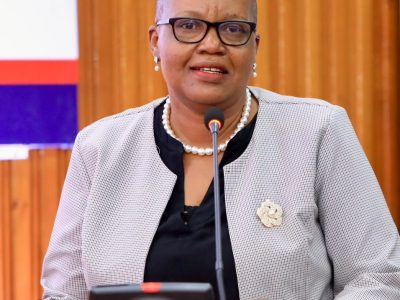
Speaking at Kawoomya Health Centre III during the Women’s Day celebrations, Hajjat Faridah Kibowa, National Chairperson of the Uganda Women’s Council, urged mothers to stop producing children year after year. She warned that closely spaced births negatively affect the health and proper development of young children while putting enormous strain on mothers.
“Closely spaced pregnancies leave mothers physically depleted and increase the risk of complications,” Kibowa said. She encouraged couples to embrace government-approved family planning methods together for healthier families.
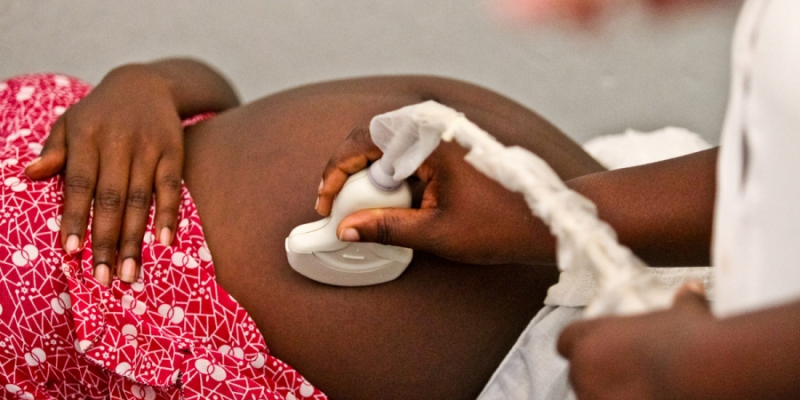
Health officials at the facility painted a worrying picture on the ground. Mutesi Maddina, in-charge of Kawoomya Health Centre III, disclosed that the centre handles about 245 expectant mothers for antenatal care every month. Thirty of them are teenagers.
Mutesi described the number of teenage pregnancies as “worryingly high” and called for urgent sensitization of parents to keep girls in school and delay early motherhood.
These local figures reflect a broader national challenge. Across Uganda, nearly 25 percent of girls aged 15 to 19 have already begun childbearing, with rates remaining higher in rural areas. Short birth intervals continue to be common. Studies show that up to 29 percent of births occur with short intervals, while broader analyses indicate that as many as 84 percent of women experience at least one suboptimal birth spacing.
Uganda’s maternal mortality ratio currently stands at around 170 to 189 deaths per 100,000 live births. Although this represents significant improvement over the years, frequent pregnancies and poor spacing remain major contributing factors to complications such as anaemia, postpartum haemorrhage, low birth weight, preterm births, and stunted growth in children.
The event also highlighted another critical health concern: the continued reliance on traditional birth attendants. Kibowa advised pregnant women to shun unskilled attendants and instead deliver at health facilities where trained workers can better manage complications and ensure safer deliveries for both mother and newborn.
Despite progress in family planning, with modern contraceptive prevalence now reaching between 38 and 50 percent, significant unmet need persists. Many women in rural communities still face barriers to accessing and using contraception consistently.
By promoting responsible parenting and family planning, leaders at the Kangulumira event hope to reduce these preventable health burdens in rural communities. Kibowa’s message was clear: healthier spacing of children is not just a family matter. It is essential for building stronger, more resilient communities.
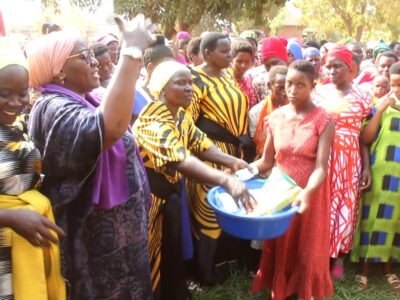
As part of the celebrations, Kibowa donated mama kits and essential maternity items to support expectant mothers, many of whom struggle to afford basic supplies needed for safe deliveries.
This year’s Women’s Day in Kangulumira served as a powerful reminder that for many women in rural Uganda, the struggle for better health begins with the ability to plan their pregnancies and access quality maternal care.
What's your reaction?
You may also like


More in:Health
Buganda to receive free brain surgeries: Specialist surgeons organize camp to show Uganda’s ‘Gifted Hands’
Minister Lydia Wanyoto Joins National Leaders in Countrywide Cleaning Exercise, Calls for Collective Action on Sanitation
Alarm as Teenage Pregnancies Surge in Kayunga, 3 in 10 Deliveries Involve Girls Below 18

Uganda Marks World Wildlife Day Amid Alarm Over Vanishing Medicinal Species