Beyond Mourning: A Policy Agenda for Ending Uganda’s Road Carnage.
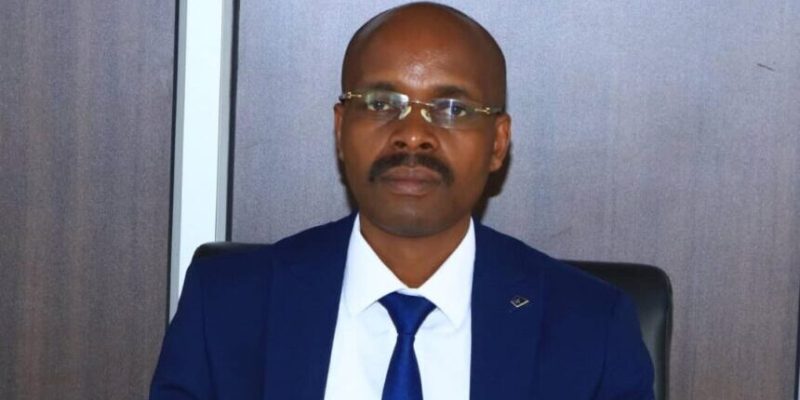
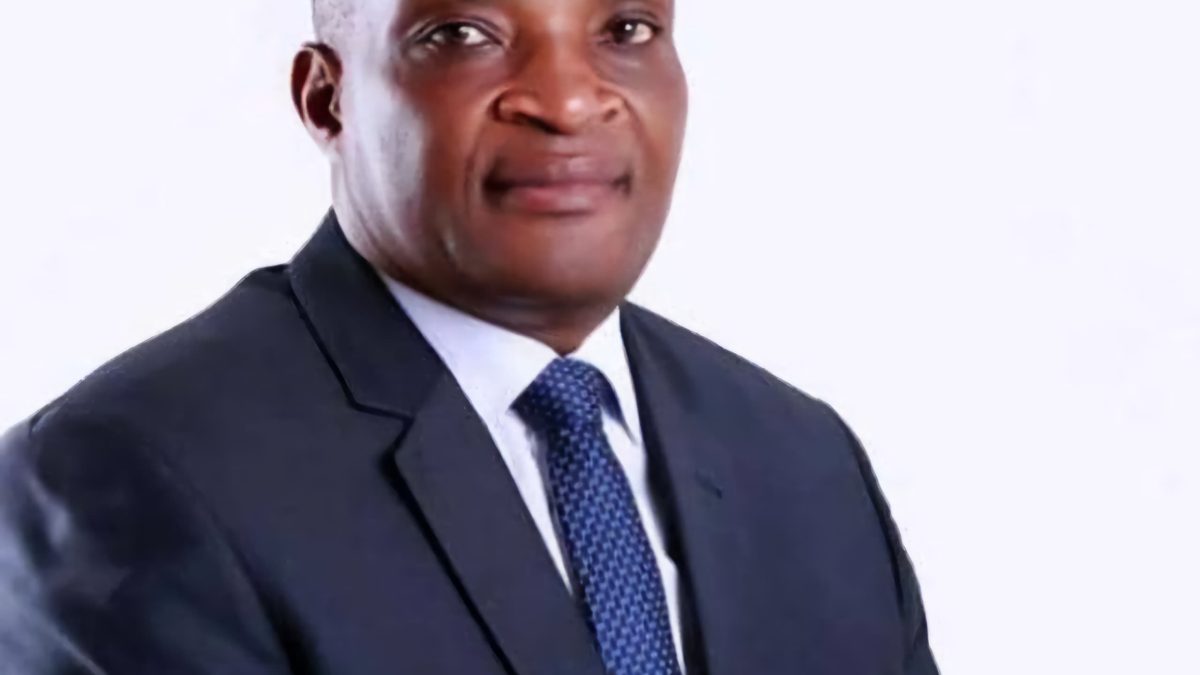
By Albinious Twesigomwe
The recent series of fatal bus accidents across Uganda has once again exposed weaknesses in our road transport safety system. While investigations often focus on driver error after lives have already been lost, the more important question is whether our regulatory framework is doing enough to prevent these tragedies before they occur.
Government’s decision to suspend study tours involving young children deserves commendation. Beyond addressing immediate safety concerns, it provides an opportunity to reassess whether such excursions still serve their intended educational purpose. Increasingly, some schools have commercialized study tours, turning them into revenue-generating activities that place unnecessary financial pressure on parents while exposing children to avoidable transport risks.
However, suspending school trips alone cannot resolve Uganda’s road safety crisis. A comprehensive review of transport regulation, vehicle inspection, driver competency, technology adoption, and road infrastructure is urgently needed.
A comprehensive review of transport regulation, vehicle inspection, driver competency, technology adoption, and road infrastructure is urgently needed.
Uganda invested heavily in Motor Vehicle Inspection Centres along major highways to improve vehicle roadworthiness and reduce mechanical failures. Yet recent fatal accidents involving public service vehicles have raised legitimate concerns about whether these centres are effectively performing their intended role. Government would conduct an independent audit of the inspection programme to identify implementation gaps, restore public confidence, and ensure that unsafe vehicles are removed from the roads before they cost us more lives.
Vehicle inspection services would also be decentralized by establishing regional inspection centres in cities such as Gulu, Mbarara, Mbale, Arua, Hoima and Fort Portal, making compliance more accessible to operators outside Kampala. Every motor vehicle would be required to display a verifiable electronic roadworthiness inspection sticker that Traffic Police can confirm instantly during routine enforcement.
Given the number of passengers carried daily, public transport vehicles would undergo mandatory roadworthiness inspections maybe every 90 days, with inspections provided free of charge or at highly subsidized rates to encourage compliance than avoidance. Private vehicles could also be inspected at least twice a year. Preventive inspections are far less costly than the human and economic consequences of fatal road crashes.
Vehicle condition alone, however, does not explain Uganda’s road safety challenges. Driver competency must equally become a national priority. Under the current licensing system, especially renewal largely involves payment of prescribed fees with little or no assessment at all of whether the holder remains competent to drive safely. Government would introduce periodic competency reassessments for commercial drivers, including medical examinations, eyesight tests, practical driving assessments and refresher training. Accredited continuing professional development programmes covering defensive driving, fatigue management, emergency response and changes in traffic regulations should also become mandatory. Drivers repeatedly found guilty of dangerous driving or causing preventable fatal crashes should face licence suspension or permanent cancellation after due legal process.
Technology also offers Uganda an opportunity to shift from reactive investigations to proactive prevention. Some countries in the region already require public service vehicles to operate with onboard surveillance cameras. Uganda would require buses and coasters to install integrated camera systems linked, where feasible, to central transport monitoring or Traffic Police control centres. Such technology would help monitor dangerous driving, detect passenger overloading, improve passenger security, and provide reliable evidence during accident investigations. More importantly, authorities would be able to intervene before tragedy occurs.
Lastly railway crossings safety also requires urgent attention. Recent accident on Katosi road demonstrates the need for automated barriers, improved warning signs, rumble strips, road markings and adequate lighting at major crossings. Drivers should receive sufficient advance warning rather than encountering danger unexpectedly.
Certainly, road safety cannot be addressed by one institution acting alone. The Ministry of Works and Transport would lead a comprehensive review of national road safety policy. The Uganda Police Force would strengthen intelligence-led traffic enforcement and digital compliance monitoring. The Ministry of Education and Sports would develop a checklist/stricter national guideline governing school study tours, while the Uganda Railways Corporation would prioritize upgrading safety infrastructure at railway crossings. Parliament would also strengthen transport legislation governing vehicle inspections, driver licensing and penalties for persistent non-compliance.
Every fatal road crash leaves behind grieving families, orphaned children and communities asking whether the deaths could have been prevented. In many cases, the answer is yes. Uganda already possesses the institutions needed to improve road safety. What remains is the political and technical commitment to enforce standards consistently, modernize regulation, embrace technology and invest in prevention rather than reacting after tragedy strikes.
Road safety should no longer be treated as a temporary response following major accidents. It has to be a permanent national priority. In terms of risk reduction, the true measure of success will not be the number of investigations conducted after crashes, but the number of lives saved because those crashes never happened.
The Writer is a Risk Reduction Specialist and Political Commentator.
E- talbinious@gmail.com
- T- +256 772098594
What's your reaction?
You may also like
More in:Analysis
Opinion: Strengthening Uganda’s Anti-Corruption Systems
My Role is to Put Rubanda’s Needs in the Budget-Minister Musasizi
Minister Musasizi Monitors Government Projects, commissions Maternal Health Equipment
One Day, Corruption Itself Will Report Ugandans to Police