PDM Billions at Risk: How Local Elites Are Hijacking Uganda’s Flagship Poverty Programme
By Denis Mukisa
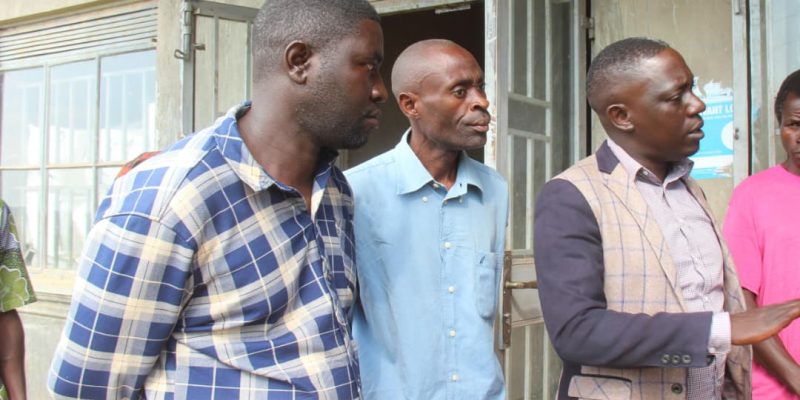
KAYUNGA – The arrest of nine PDM Sacco committee members in Sseeta Nyiize Parish, Kangulumira Sub-county, has exposed more than isolated fraud. It highlights a deeper pattern of elite capture that threatens to undermine President Museveni’s flagship Parish Development Model programme.
Investigations by Assistant RDCs John Luyima and Rose Kabanyana revealed how the programme, designed to uplift communities with Shs1 million seed capital per beneficiary, was allegedly turned into a “business and corruption centre.” Irregularities included mismatched beneficiary names and phone numbers on disbursement lists, manipulation of the Wendi PDM portal, demands for bribes, inclusion of outsiders, and funds allegedly sent to a deceased person’s number under the name Kamitti Mary for beneficiary Mangadarena Babirye.
Sacco leaders operated without proper cash or beneficiary registers. Secretary Kakaire Umar claimed records were kept at a local stationery shop whose owner was unavailable during an emergency meeting. Sub-county Chairperson Ssentamu Mawanda Chris faces accusations of influencing the inclusion of two beneficiaries, including his girlfriend, now wife. Sacco Chairperson Lubega Haruna blamed politicians for pressuring leaders to include unqualified individuals.
Assistant RDC John Luyima strongly condemned the bribery. “If you take a bribe before giving out the loan to the beneficiary, it means you are the number one enemy to government and to fail the program,” he said.
A National Pattern
The Kayunga scandal mirrors problems reported across Uganda. Auditor General reports have flagged massive leakages, including Shs1.5 billion unaccounted for in a sample of 14 local governments in one review. Issues involve duplicate NINs, non-existent projects, ineligible enterprises, and SACCOs without registered offices. Police have recorded hundreds of PDM-related corruption cases involving extortion, ghost beneficiaries, and fund diversion.
Similar arrests of Sacco leaders, parish chiefs, town agents, and civil servants have taken place in districts such as Kanungu, Kasese, Kiryandongo, Butaleja, Kabale, Isingiro, and Bugiri. Common tactics include demanding bribes of Shs30,000 to Shs50,000 or more for access to supposedly free funds, and diverting money to non-residents or politically connected people.
Digital platforms such as PostBank’s Wendi wallet, which has disbursed over Shs1 trillion, were introduced to improve transparency through direct transfers and system integration. However, local actors continue to exploit gaps in verification, record-keeping, and oversight.
Root Causes and Challenges
Several factors enable this elite capture. Many SACCOs lack capacity, independent oversight, and proper documentation. Beneficiary selection often falls to the same local elites who control patronage networks. Political interference leads to pressure on committees to favour allies and relatives, sidelining the poorest households. Bribery also complicates loan recovery, as officials who accept kickbacks lose authority to demand repayments. Despite trillions injected into the programme and transfers to all 10,589 parishes, challenges remain in household data collection, project monitoring, and verification.
Assistant RDC Rose Kabanyana emphasised the intended purpose of the funds. “This money wasn’t brought as a bonanza but for the great purpose of uplifting the communities,” she said.
Government Response
Authorities have intensified crackdowns. RDCs, the State House Anti-Corruption Unit, and police continue operations in affected districts. In Kayunga, Maj. Jimmy Sseruwo of Operation Wealth Creation demanded immediate refunds of misappropriated funds. Chief Administrative Officer Ms. Edith Mutabaazi condemned the involvement of civil servants and directed the compilation of a detailed report for swift disciplinary action.
For the programme to succeed, stronger measures are required. These include tighter digital controls, independent audits, community oversight, faster prosecutions with asset recovery, and enhanced capacity building for SACCOs.
The developments in Sseeta Nyiize Parish serve as both a warning and a test. With significant additional funding flowing into PDM, the programme’s ability to transform subsistence households into participants in the money economy depends on breaking the cycle of local elite capture. Investigations are ongoing, and further accountability measures are expected.
What's your reaction?
You may also like
More in:National
Focus on Climate Action, Tayebwa Tells MPs
President Museveni Fulfils UGX 50 Million Pledge for Fr. Bagumisiriza’s Marriage Book.
“I am Not Willing to Defend Corrupt RDCs,” Minister Babalanda Intensifies Expose the Corrupt Campaign

PRESIDENT MUSEVENI TASKS NRM MPS TO RETURN TO GRASSROOTS LEADERSHIP, EMBRACE BALAAM'S ANTI- CORRUPTION APPROACH