Uganda’s economy expanded by 6.3% in the 2024/25 financial year, surpassing last year’s 6.1%, according to the Bank of Uganda’s September 2025 State of the Economy Report. This growth driven by robust performance in agriculture and industry is a testament to President Yoweri Museveni’s enduring leadership and strategic economic vision.
Under Museveni’s guidance, agriculture grew by 6.6%, with livestock surging 8.8% and fishing jumping 17.8%. Industry rose by 7.0%, bolstered by a 12.2% increase in construction. These gains reflect the President’s commitment to rural transformation and industrialization, key pillars of his Tenfold Growth Strategy, which aims to expand Uganda’s economy from USD 61.3 billion to USD 500 billion by 2040.
Inflation remained stable at 3.5%, thanks to prudent monetary policy and strong food supply both outcomes of Museveni’s agricultural reforms and infrastructure investments. BoU Governor Michael Atingi-Ego credited the 9.75% policy rate for shielding household incomes and investor confidence, aligning with the government’s broader economic blueprint.
Uganda also saw USD 3.6 billion in foreign direct investment in the oil sector and a financial account surplus of USD 4.5 billion. Exports soared by 37.2% to USD 11.1 billion, led by coffee and cocoa, while the current account deficit narrowed by 12.2%. These achievements underscore Museveni’s success in attracting global capital and boosting trade.
Finance Minister Matia Kasaija highlighted a drop in the fiscal deficit to 6.1% of GDP, below the projected 7%, and a 16.1% rise in tax revenues to UGX 29.9 trillion. Despite concerns over public debt and high interest costs, the government remains focused on education, health, and infrastructure—areas Museveni has consistently prioritized for inclusive development.
For Ugandans across the country—from farmers in Masaka to traders in Kampala—this growth is tangible. It means better incomes, more jobs, and greater stability. Yet, challenges like global conflicts, unpredictable weather, and election-related uncertainty loom. The proposed 1% U.S. remittance tax could also strain families relying on diaspora support.
Still, Museveni’s administration continues to push for financial inclusion through platforms like Wendi and the Parish Development Model. While lending rates remain high, the President’s focus on affordable credit and economic diversification offers a path forward.
Uganda’s progress is no accident—it’s the result of decades of consistent leadership, strategic planning, and a deep commitment to national transformation. As we approach the next election, the choice is clear: to protect and accelerate this momentum, Ugandans must vote to keep President Museveni in office
What's your reaction?
Excited
0
Happy
0
In Love
0
Not Sure
0
Silly
0
You may also like
More in:Business

From the Lab to Your Bathroom Shelf: Why I’m Proud to Sell UBeauty
By Jeninah Namusisi, Sales Representative, UBeauty Uganda LimitedLast Saturday, I stood in a supermarket aisle ...

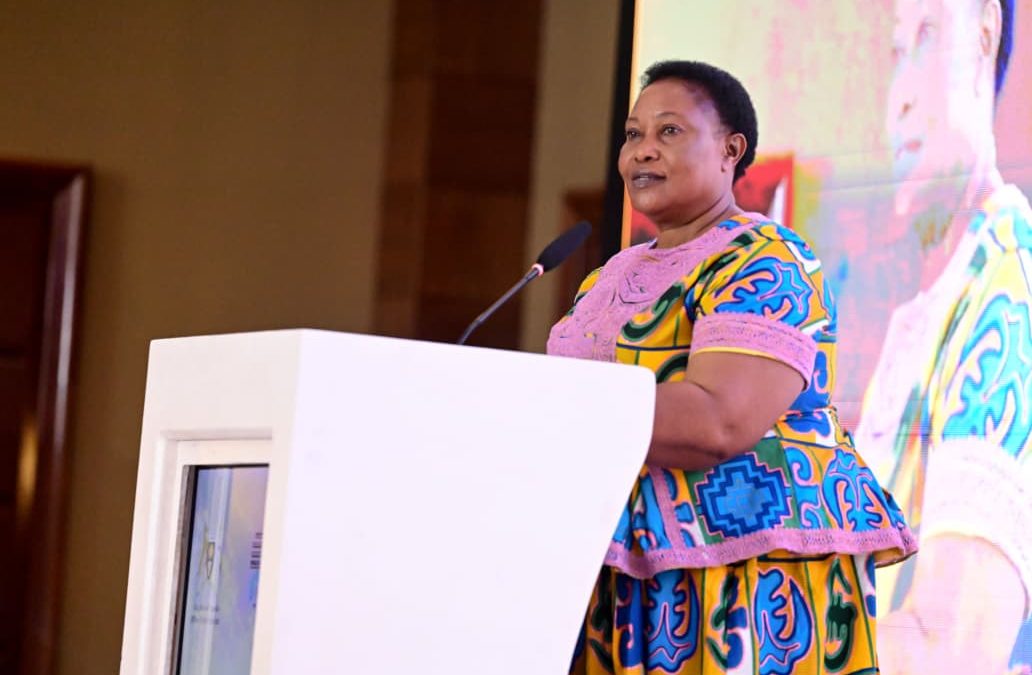
Minister Babalanda Calls for Financing Architecture to Match Uganda’s US$500 Billion Growth Ambition by 2040
KAMPALA — The Minister for the Presidency, Hon. Babirye Milly Babalanda, has called for the ...

PRESIDENT MUSEVENI COMMENDED FOR SKILLING INITIATIVE AS STATE HOUSE ANNOUNCES NEW HUB IN BUSOGA
President Yoweri Kaguta Museveni has been commended for establishing the Presidential Industrial Skilling Hubs, with ...
Namayingo Farmers Confront Sugar Council Over Delayed CN Sugar Licence
NAMAYINGO — Furious sugarcane farmers in Namayingo District have confronted members of the Sugar Council, ...