By Wilfred Arinda Nshekantebirwe
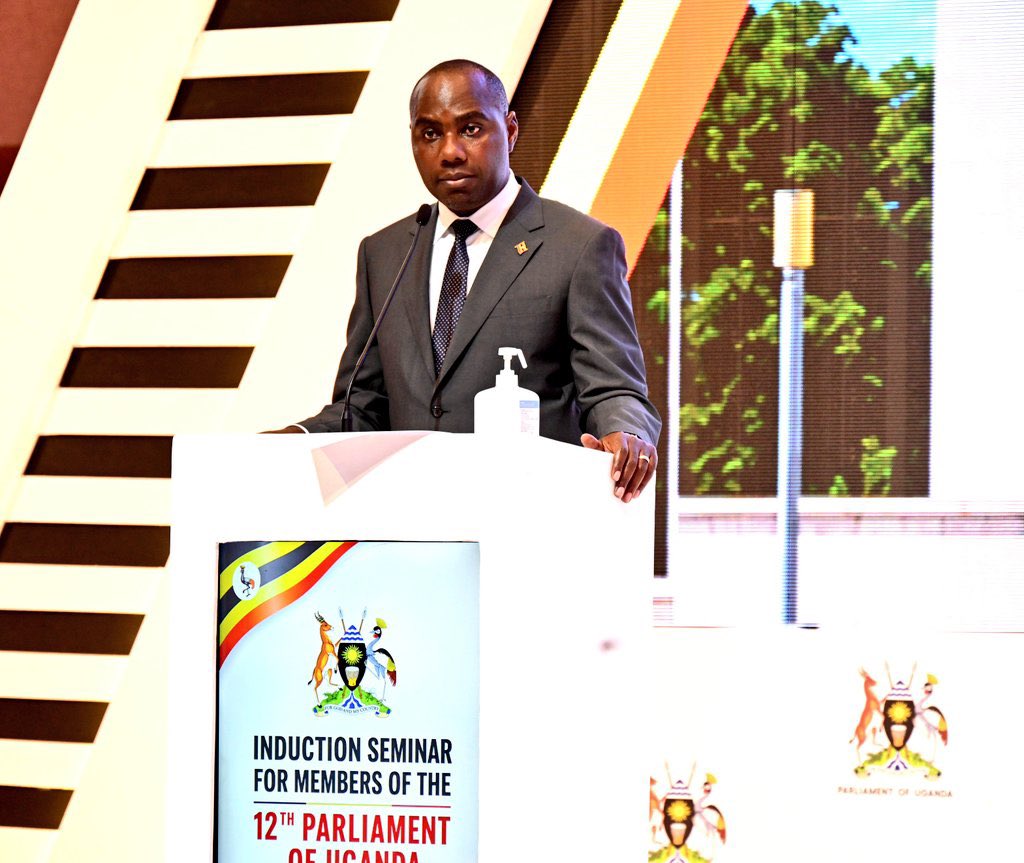
Finance Minister Hon Henry Musasizi has advised members of Uganda’s 12th Parliament to take their role in the national budget process with the full weight of constitutional responsibility it carries, telling the newly elected lawmakers that the budget, the government’s most powerful development tool, will only deliver for ordinary Ugandans if Parliament engages with it seriously, consistently, and with its eyes firmly on results.
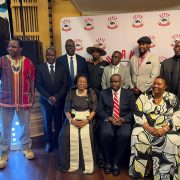
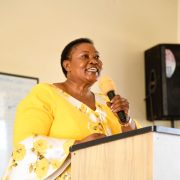
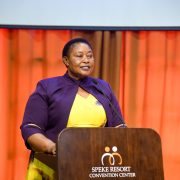
Minister Musasizi was speaking at Speke Resort on Wednesday where members of the 12th Parliament are currently undergoing their induction, and he used the platform to lay out specific roles that MPs must play in the budget process.
Musasizi said they must approve the Budget Framework Paper, scrutinise ministerial policy statements, appropriate funds, and enact tax legislation. Beyond that, he told them, Parliament has the equally important duty of reviewing budget performance reports, considering audit reports, and going into their own constituencies to monitor how budgeted funds are actually being utilised, not as a formality but as a genuine accountability exercise to ensure value for money.
He pointed MPs toward the tools that exist to do that work effectively. The Auditor General’s reports and the findings of the Public Accounts Committee are, he said, the key accountability instruments available to Parliament, not documents to be received and set aside but instruments to be actively leveraged, with findings followed up and corrective measures enforced through Treasury Memoranda.
Musasizi also briefed the new lawmakers on the reform architecture government has been building to strengthen transparency and efficiency in public finance management. The Integrated Finance Management System, Programme Based Budgeting, electronic cash and payments, e-government procurement, the Single Treasury Account, and the decentralisation of salary and pension management are among the reforms he highlighted, each of them designed to close the gaps through which public resources have historically leaked before reaching their intended destinations.
He gave the MPs a clear picture of where Uganda’s budget financing actually comes from, tax revenue, non-tax revenue, external grants, external loans, and domestic borrowing. Understanding those sources, he made clear, is not a technical detail reserved for economists. It is essential knowledge for every lawmaker sitting in a committee making decisions about how public money is spent and what the consequences of misusing it are.
With an eye on the calendar, the Minister urged MPs to prepare for active participation in the Local Government budget consultations for the financial year 2027/28, which are scheduled to begin in September 2026. Those consultations, he noted, are where the budget connects most directly to the ground, where communities have a voice in how resources are allocated and where MPs have the clearest opportunity to bridge the distance between national policy and the lived reality of the people who sent them to Parliament.
Hon Musasizi has been in parliament since 2011.
###
What's your reaction?
You may also like
More in:Economy
GROW Project Raises Government Wealth-Creation Investments to UGX 10.75 Trillion
Minister Musasizi Warns District Leaders Against Abandoning Anti-Corruption Duties to Balaam.
Minister Musasizi Reaffirms Uganda’s Commitment to EU Partnership to Drive Investment, Trade and Jobs
Minister Musasizi to MPs: Broaden Tax Base, Don’t Just Tax Same People More to Reach 20% Revenue Target