Putting Women Farmers at the Forefront of Uganda’s Climate Resilience Drive
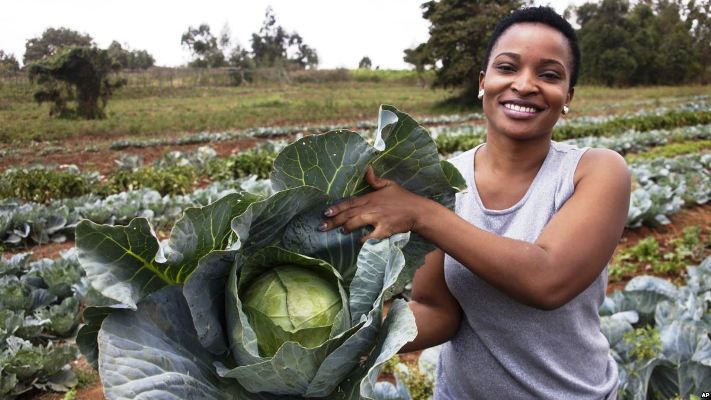
As climate change brings more frequent droughts and erratic rainfall, Ugandan women farmers are increasingly at the centre of national efforts to build resilience in the agriculture sector. This is critical because agriculture remains the backbone of Uganda’s economy and its position on the global market.
Uganda is one of East Africa’s leading food producers and a major exporter of coffee, cocoa, fish and other commodities. The sector employs the majority of the population and contributes significantly to export earnings. Maintaining strong agricultural output is therefore essential for the country’s economy and its role in regional and international food supply chains.
From national irrigation projects to local equipment distribution, the government and partners are prioritising practical tools and training. These efforts particularly target women, who form the majority of the farming workforce, to help them adapt to changing weather patterns.
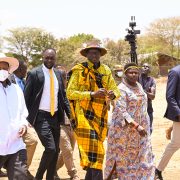
A clear example is unfolding in Kayunga District. On Wednesday, the Kiwangula Farmers’ Cooperative received a silage making machine under the President’s agricultural extension grant. The cooperative will use the machine to preserve green fodder during the rainy season. This ensures livestock have sufficient feed when dry spells hit and pastures become scarce.
District Veterinary Officer Dr Ronald Kanaakulya explained the importance of the equipment at the handover ceremony.
“This machine will help farmers preserve green fodder during the rainy season so they have sufficient feed for their animals when the dry spell hits,” he said.
The district also distributed beehives to farmers to boost pollination and improve crop yields. This addresses declining bee populations that have reduced harvests in many areas.
John Magezi, Kayunga Deputy Resident District Commissioner, described the support as part of a wider government drive to strengthen food production and grassroots resilience. Andrew Muwonge, LC5 Chairperson, added that providing such tools and strengthening extension services is vital for farmers to adapt to the changing climate.
The Kiwangula case reflects a growing national strategy. Across Uganda, initiatives such as the Irrigation for Climate Resilience Project are promoting small scale and solar powered irrigation to reduce dependence on unpredictable rains. Climate smart agriculture programmes are training women on agroforestry, intercropping, drought resistant crops, and better soil management. These interventions aim to stabilise production, improve livestock health, and prevent distress sales of animals during droughts.
By equipping cooperatives like Kiwangula and targeting women with portable irrigation systems and training, Uganda is shifting from emergency food aid toward long term resilience. Officials hope these efforts will help maintain food security, stabilise household incomes, and protect the country’s important position in global agricultural markets.
The focus on women is deliberate. As primary managers of many small farms, their successful adaptation is seen as key to national food security and Uganda’s continued contribution to regional and international markets in the face of climate change.
What's your reaction?
You may also like
More in:Economy
Minister Musasizi Urgues Insurance Training College to Produce Hhighly Competent Human Capital

Minister Musasizi Urges Absa Bank to Lower Lending Rates to Support Uganda’s Tenfold Growth Strategy
Minister Musasizi Tellls New MPs They Hold the Key to Uganda’s Budget Accountability
Minister Musasizi Secures €110.5 Million for Kitgum–Kidepo Road